
Explosion on a Railway Line in Poland has reignited serious national security concerns, with Warsaw openly asserting that the attack was orchestrated or facilitated by Russian secret services. Authorities describe the blast as a deliberate and highly targeted act of sabotage, with initial investigations indicating a coordinated operation carried out by actors outside the country. The incident once again highlights the vulnerability of critical infrastructure in regions affected by tensions, such as the ongoing war in Ukraine and the persistent East-West standoff with Russia.
Explosion on a Railway Line: Key Details of the Attack
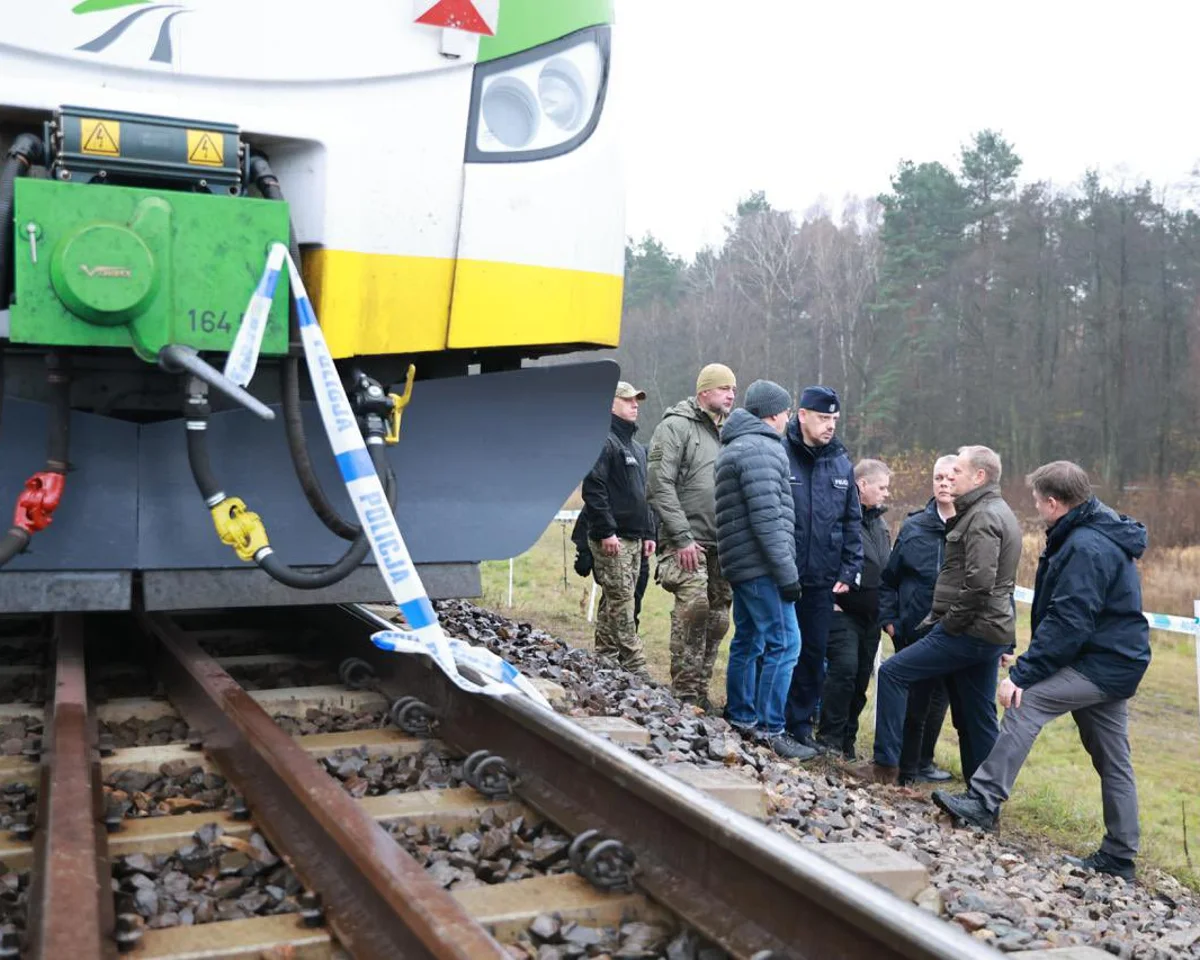
The explosion took place over the weekend on a significant railway line that connects Warsaw and Lublin, which is frequently used for transferring humanitarian assistance and logistical support to Ukraine. This stretch of railway serves an important function in the overall transport system, making it an especially sensitive key route. As per Polish officials, the affected stretch of track is key to the continuation of humanitarian aid across the border and the impact of any disruption would be serious operational implications.
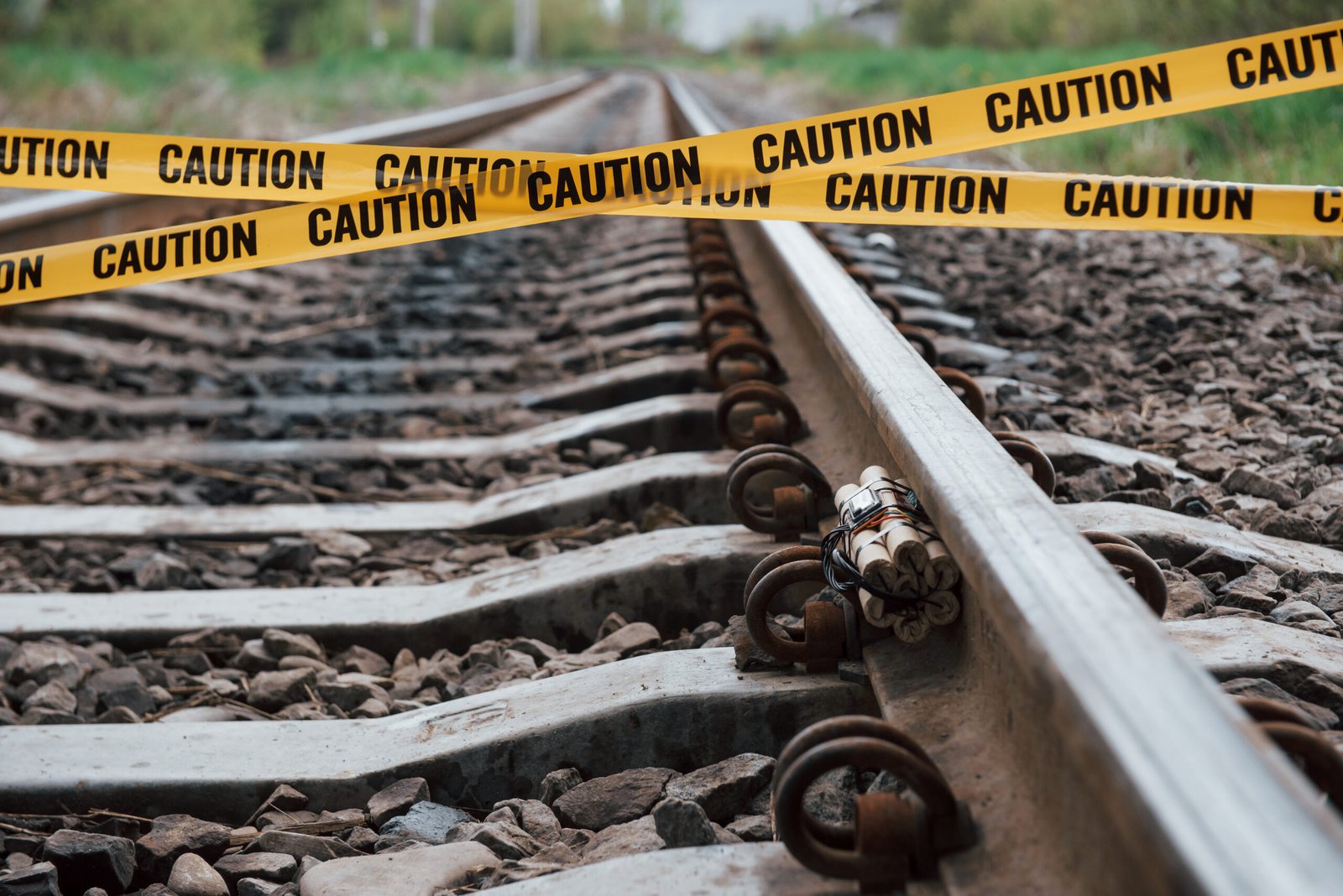
Initial investigations by railway engineers and security personnel suggest that the explosion was caused by an explosive device placed underneath the track. The level of destruction indicates that had a high-speed train been travelling on the line at the time of the detonation, the incident could have been catastrophic and caused significant loss of life. Investigative authorities have highlighted that the motives behind the attack appeared to be designed to not only take the line out of use, but to create maximum instability and fear among the Polish population.
Aside from the main explosion, officials reported damage to overhead electrical systems on another part of the same railway line, and further south and east near Puławy. This incident is being examined on its own, but early analysis indicates it could be linked to the same operation, or possibly be inspired by that operation. The combination of both attacks has led officials to conclude that the goal was to comprehensively target the infrastructure on the route to make repairs more complicated and extend the duration of the disruption.
Explosion on a Railway Line Initiated by Russian Secret Services: Warsaw’s Accusations
Poland’s intelligence agencies have publicly announced that they discovered some “compelling evidence” of direct or indirect Russian involvement. According to Jacek Dobrzyński, spokesman for the minister in charge of coordinating national security, the evidence obtained so far provides a strong basis of Russian secret service activity of some kind (whether direct or co-ordinated). The evidence was discussed at a meeting of the National Security Committee, which reported back it classifies this attack as a high-level threat to the state.
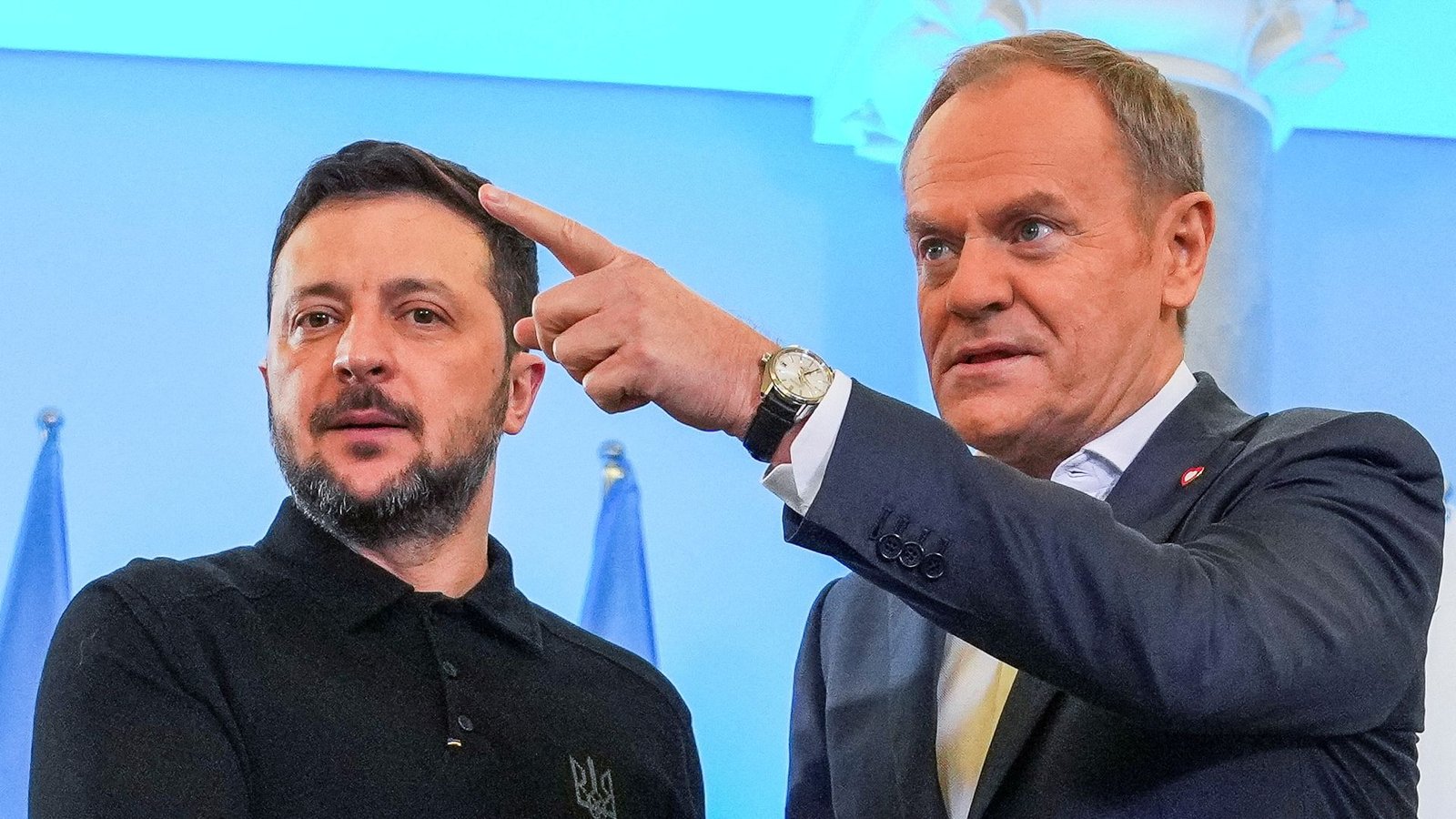
Prime Minister Donald Tusk denounced this act in strong terms, calling it an “extraordinary act of sabotage.” He identified two Ukrainian nationals as prime suspects, saying they have been long-time clients of Russian intelligence structures, active in Eastern Europe. According to Tusk, their activities fit the pattern of previous clandestine operations directly related to the security apparatus in Moscow.
The two suspects reportedly ran away from Poland immediately after the explosion and went into Belarus. One of the men had been previously convicted of sabotage by a court in Lviv but was not serving his sentence at the time of the attack due to being detained in Belarus on an unrelated matter. More suspiciously, investigators found a camera near the site of the explosion, which they believe was used to record the effects of the explosion, to record train traffic around the time of the enjoy explosion, or to record the success of the operation – all were evidence of a mission that had been planned out in advance, with the planning and execution of the operation most likely being led by an intelligence agency.
Poland’s Reaction to Russian Secret Services Following the Railway Attack
Poland’s reaction was immediate, coordinated, and absolutely tough. The prosecutors have opened an investigation into terror-related sabotage in the interests of a foreign intelligence service, a charge that shows how serious the allegations are. Prime Minister Tusk referred to the attack as an act of state terror, acknowledging that the aggressors were working for Russia and appreciated that this was an act of aggression intended to disrupt Polish infrastructure.
In terms of foreign affairs, Poland announced the closing of its final Russian consulate and characterized Russian interference as a hostile act typical of hybrid warfare. The move is indicative of Poland’s zero-tolerance policy in response to foreign interference and reflects a broader hardening of diplomatic and security measures to counter Russian influence.
At the same time, a growing Polish military strategy is in place across the most vulnerable parts of the railway system. Patrols are monitoring over 120 kilometers of track near the Ukrainian border and anticipating possible new threats should they arise. Intelligence services are also working to locate and disband wider Russian networks of influence which may be operating within or proximate to Poland.