
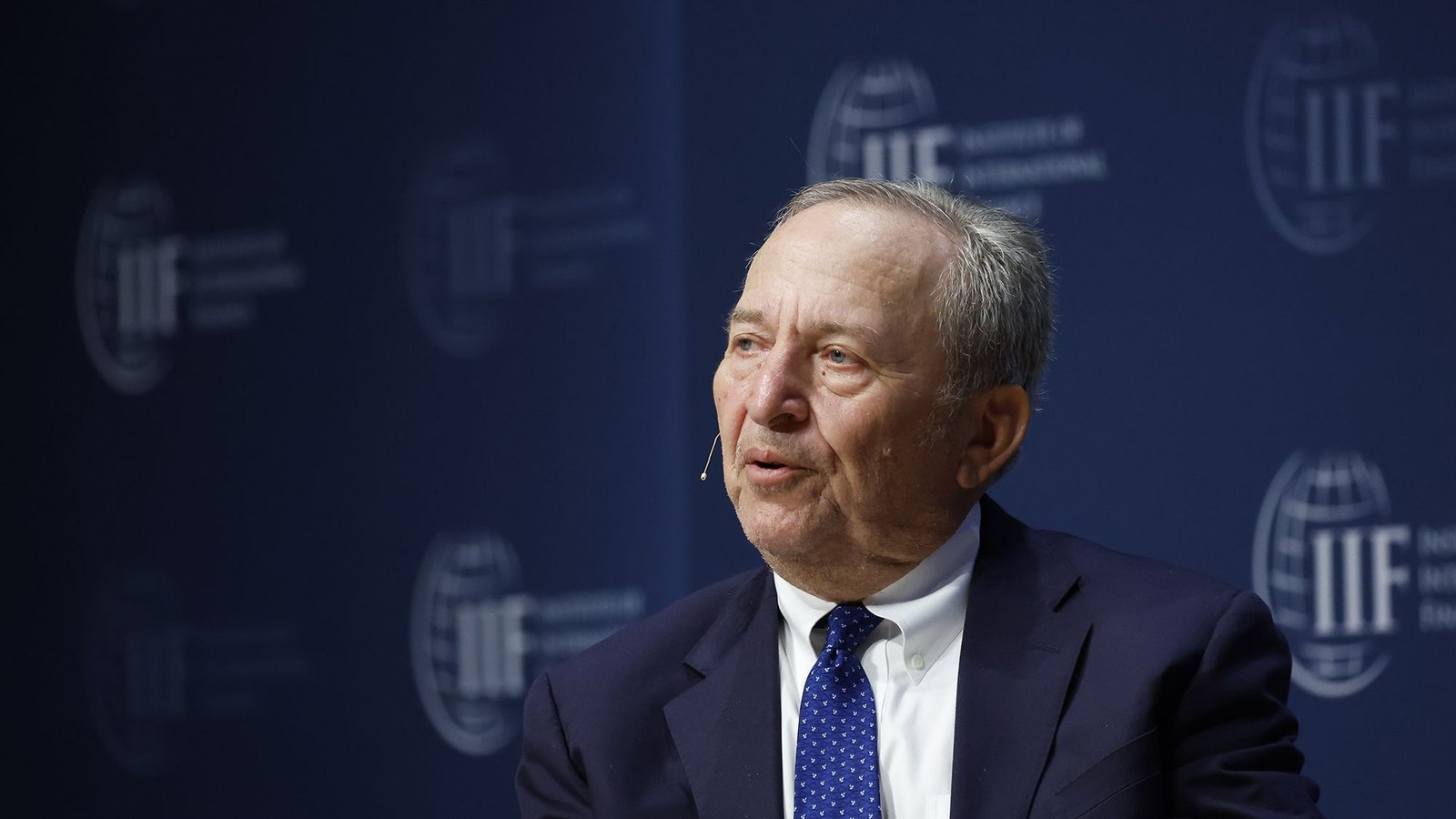
The Lawrence Summers scandal, revived by new revelations from emails tied to Jeffrey Epstein, is destabilizing a once‑dominant figure in American intellectual life. Long omnipresent in the media, the economist now faces mounting setbacks both at Harvard and within various institutions where he held prestigious positions. This case reignites debate over how influential figures navigate public scrutiny after major controversies. It also raises broader questions about how academia and politics handle scandals involving high‑profile individuals.
How the Lawrence Summers scandal emerged
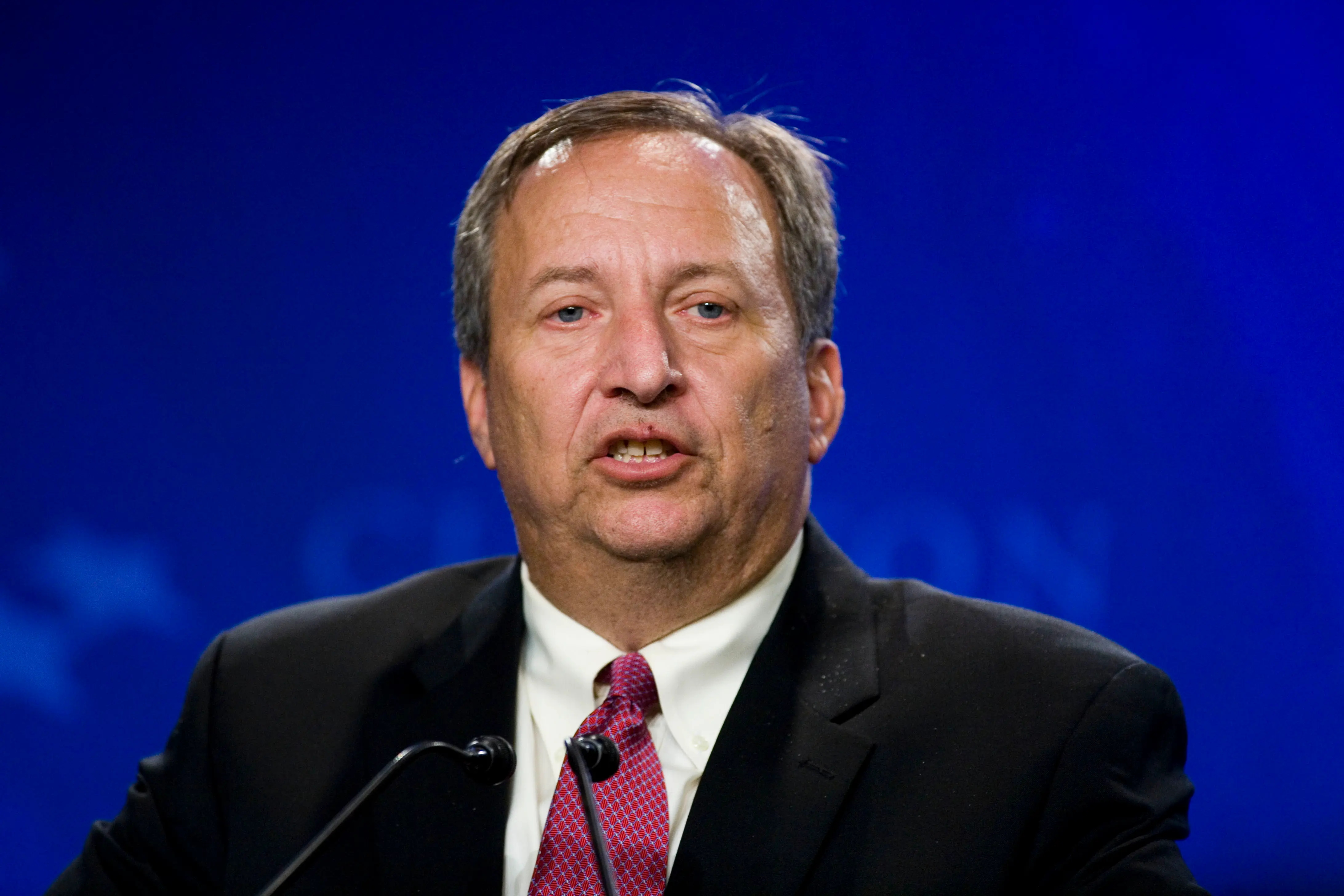
The latest revelations stem from the release of thousands of documents obtained by a congressional committee, including private exchanges between Summers and Epstein. These emails reveal an uncomfortable level of familiarity, with Summers seeking personal advice and confiding details that have drawn widespread criticism. The situation escalated when Harvard announced an internal review into the university’s ties to Epstein, whose influence on campus has long been a point of concern.
These documents showed Epstein visited Harvard frequently and maintained relationships with key faculty members. This context magnified the impact of the emails involving Summers, thrusting him into an intense public backlash. The Lawrence Summers scandal fits into a broader national debate about accountability among powerful figures, especially those linked to individuals convicted of serious crimes.
Why the scandal threatens Lawrence Summers’s future

For decades, Summers cultivated a reputation as a leading public intellectual, frequently appearing on television, in newspapers, and at global conferences. But the recent revelations triggered immediate consequences: Harvard reassigned some of his teaching responsibilities, and several think tanks, including the Center for American Progress, severed ties with him.
This development is significant in a country where scandals often do not permanently end careers. However, the Epstein case stands apart due to the gravity of the crimes involved. The mere continuation of a relationship with a convicted sex offender has severely undermined Summers’s moral credibility. The fact that he was married at the time of the exchanges adds another dimension to the controversy.
Many critics argue that individuals with such influence must be held to higher standards and that Summers’s credibility is compromised beyond repair. The unfolding Lawrence Summers scandal illustrates how public tolerance for misconduct especially involving cases linked to abuse has sharply declined.
Harvard’s response and the academic fallout

Harvard finds itself at the center of this scandal, not only because of Summers’s prominence but also due to the university’s documented financial and personal ties to Epstein. A prior internal report revealed that Epstein donated more than $9 million to Harvard and visited the campus multiple times following his 2008 conviction.
Faculty members and academic leaders have publicly expressed concern, with some demanding Summers’s complete removal from any teaching environment. Others emphasize that, as a tenured professor, he is legally protected and cannot be easily dismissed. Harvard’s policies allow revocation of tenure only in cases of grave misconduct, requiring a lengthy review process governed by the Harvard Corporation.
Despite these protections, political pressure is growing. Several public figures, including Senator Elizabeth Warren, have urged the university to permanently distance itself from Summers. The Lawrence Summers scandal has therefore become both a personal crisis and an institutional challenge for Harvard.
How Lawrence Summers is attempting to manage the crisis
In response to mounting criticism, Summers issued a statement declaring himself “deeply ashamed” and taking “full responsibility” for maintaining contact with Epstein. He announced that he would step back from public commitments to focus on rebuilding trust and repairing relationships.
Crisis‑management experts note that this strategy public accountability, temporary withdrawal, and involvement in philanthropic or low‑profile activities is a familiar playbook for individuals seeking eventual rehabilitation. It reflects an attempt to control long‑term damage while preparing for a possible return to public life.
However, due to the sensitive nature of Epstein’s crimes, the road to rehabilitation is likely to be more difficult than in Summers’s previous controversies. The Lawrence Summers scandal touches on issues of moral judgment, abuse, and institutional influence topics that provoke strong public reactions and may prolong his time away from the spotlight.
The Lawrence Summers scandal represents a pivotal moment in the career of an economist once seen as an indispensable voice in public debate. The revelations involving Jeffrey Epstein have cast serious doubt on his judgment and his place in the institutions surrounding him. While some observers believe a comeback is still possible, the moral and institutional implications of the case make such a return uncertain. Ultimately, this scandal may shape how universities and the public view accountability for influential figures moving forward.