
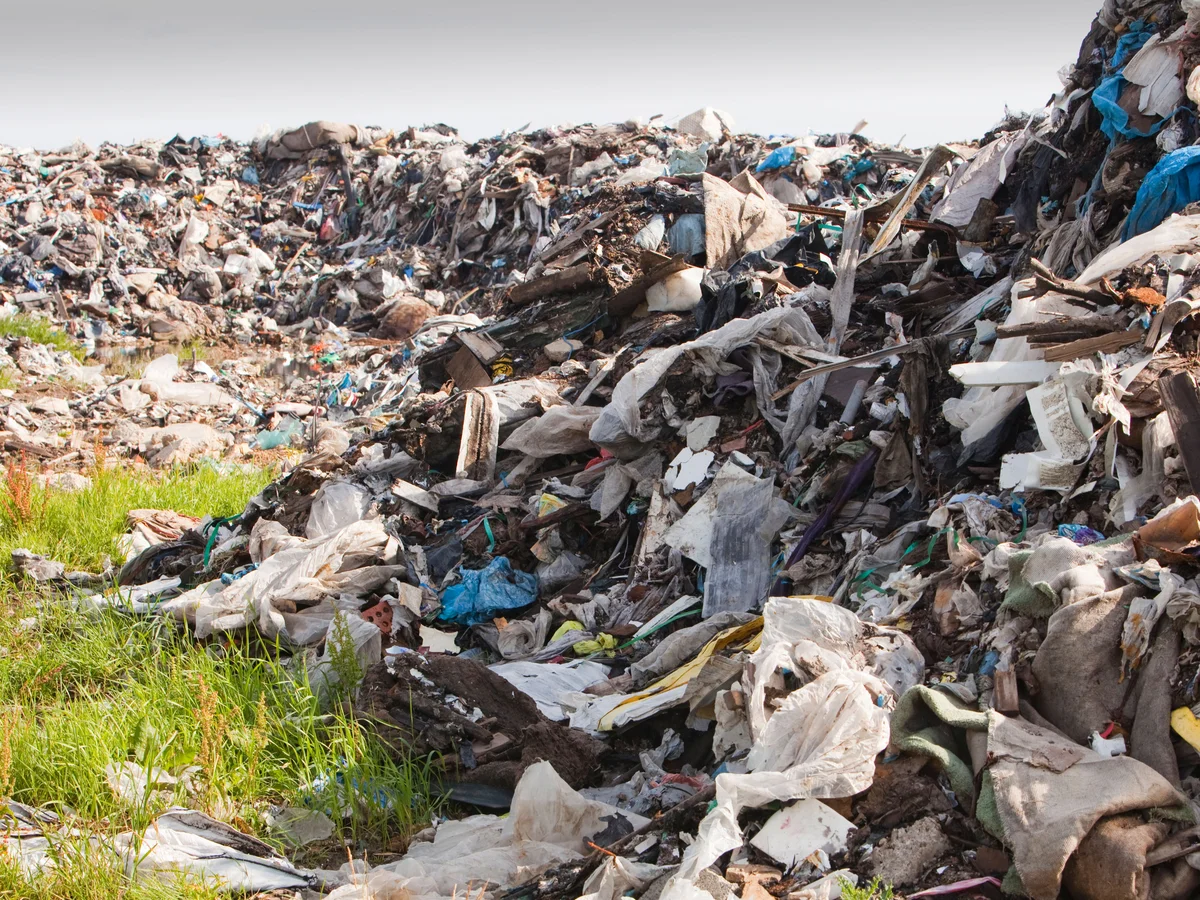
The discovery of a massive and foul-smelling trash mound in rural England has reignited concerns over the rise of illegal waste disposal in the country. Hidden behind trees near a major highway, the site shocked residents and authorities, highlighting the scale of criminal activity linked to waste trafficking. This incident comes as officials warn of a growing environmental threat and rising cleanup costs for local communities. The debate now focuses on how such large-scale fly-tipping operations continue to flourish across Britain.
A massive trash site reveals the scale of the illegal dumping crisis

The enormous heap discovered near Kidlington, northwest of London, stunned both locals and environmental groups. The trash wall, stretching nearly 500 feet and rising four stories high, remained unnoticed for weeks because of the thick tree line surrounding the area. When images of the site began circulating, many people struggled to believe such a structure could exist undetected. Environmental organizations described the pile as one of the worst waste sites they had ever seen, raising immediate concerns about public health and pollution in the region.
Authorities reported that the trash consisted mostly of household waste that had been accumulating for months. Its position near a highway made the location convenient for trucks to enter discreetly, often at night, without attracting attention. These factors confirm experts’ warnings that organized groups choose isolated sites with strategic access points to deposit waste illegally. The discovery has become a symbol of the broader illegal dumping crisis affecting communities across the United Kingdom.
How criminal networks profit from illegal dumping operations

Experts attribute the rise of illegal dumping to the increasing cost of waste disposal, combined with a growing volume of trash produced every year. As legal methods become more expensive, criminal organizations exploit the situation by offering cheaper alternatives, then abandoning waste in rural or hidden locations. This practice, known locally as fly-tipping, has expanded rapidly, generating millions in illicit profits for the groups involved.
A recent House of Lords report estimated that more than 38 million tons of waste are illegally managed every year in Britain. This staggering figure, equivalent to filling Wembley Stadium 35 times, illustrates the scale of the illegal dumping crisis. Waste crimes now cost the country an estimated £1 billion annually. Authorities also identified at least six other large-scale dumping sites similar to the one in Kidlington, confirming that the problem is far from isolated.
Government response and the growing public demand for accountability
The trash mountain quickly became a national issue, prompting strong political reactions. In Parliament, the prime minister described the images as “utterly appalling” and pledged that all available legal powers would be used to force the perpetrators to pay for the cleanup. The Environment Agency, which had already issued a cease-and-desist order earlier in the year, opened a criminal investigation after discovering that the waste pile continued to grow.
Local representatives have urged the government to act quickly to avoid more environmental damage. They stressed that the site lies on a floodplain near the Cherwell River, which flows into the Thames. Any further spread of waste could contaminate water sources or worsen flooding risks, especially after the area was fully submerged in the previous year. The incident reinforces public concern over the lack of surveillance and the need for stronger enforcement to curb illegal dumping networks.
Environmental risks and the urgent need for cleanup efforts

Beyond the visual shock, the trash mound poses severe environmental threats. Household waste can release toxic substances into the soil and nearby waterways, especially when exposed to rain or floodwaters. Experts warn that such sites become hotspots for pests and may contaminate surrounding lands for years if not addressed quickly. The proximity of the pile to major water routes increases the risk of pollutants reaching wider ecosystems, including the Thames, one of Britain’s most important rivers.
Local officials fear that the cleanup costs could exceed the municipal budget, as early estimates suggested expenses far surpassing £25 million. This financial burden highlights the difficulties faced by smaller communities dealing with the consequences of waste crime. Environmental groups insist that rapid action is necessary to prevent a potential ecological disaster and to restore safety in the affected area.
The discovery of this massive illegal dumping site has exposed the alarming scale of Britain’s waste crime problem. As criminal networks take advantage of rising disposal costs, communities face growing environmental risks and financial challenges. The crisis underscores the need for stronger enforcement, better monitoring, and a coordinated national response to prevent similar incidents. The situation in Kidlington now serves as a call for urgent action before further damage occurs.