
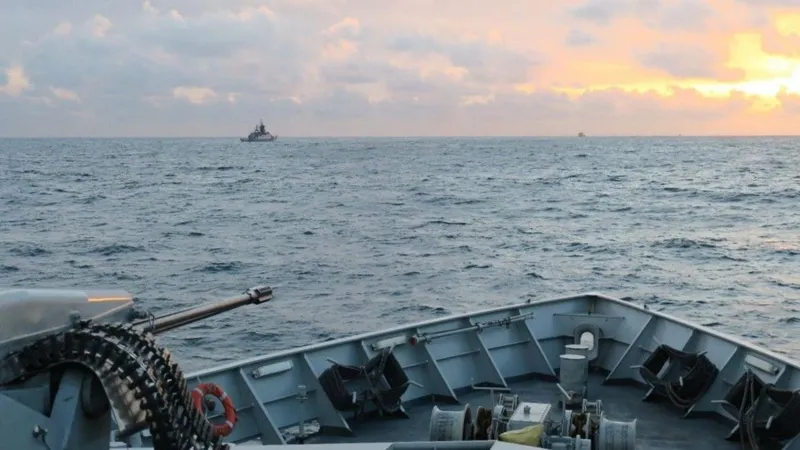
In recent days, the Royal Navy has conducted a surveillance operation in the English Channel, intercepting two Russian ships operating near British waters—a context in which even minor maritime movements draw international attention. Here is a clear and comprehensive explanation of what happened, why these interceptions occurred, and their implications for European security.
Interceptions and Surveillance: What You Need to Know
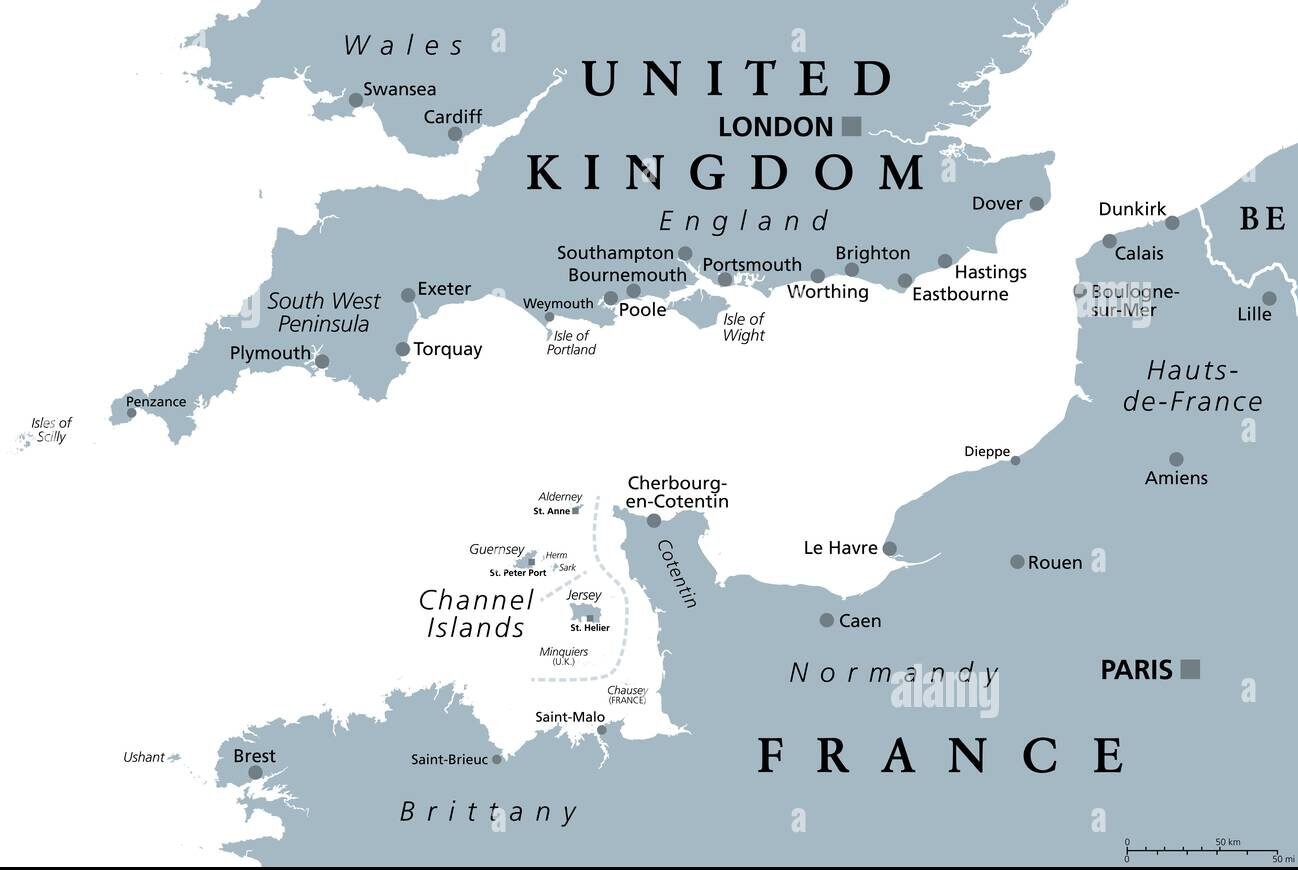
Over the past two weeks, the British patrol vessel HMS Severn has closely monitored two Russian ships crossing the Channel: the war corvette Stoiki and the civilian tanker Ielnia, which specialises in refuelling operations.
Firstly, their presence in these waters is not illegal. Both vessels are navigating international waters, and the English Channel is one of the busiest shipping lanes in the world, subject to intense monitoring. Hundreds of merchant ships, ferries, and military vessels pass through daily.
The HMS Severn’s mission was therefore to ensure that the Russian ships’ passage posed no threat to maritime safety or regional stability. After several hours of escort, monitoring of the Russian vessels has now been handed over to a NATO ally off the coast of France. This is not unprecedented: under collective defence arrangements, NATO countries divide responsibilities to ensure continuous coverage.
These operations also take place in a tense international context. Since the start of the war in Ukraine, Russian fleet movements have been closely scrutinised by European nations. Any Russian military vessel approaching UK waters is analysed for insights into Moscow’s activities and intentions.
Simultaneously, the UK has deployed three Poseidon P-8A surveillance aircraft in Iceland to participate in observation missions over the North Atlantic and Arctic maritime zones. These aerial assets are a critical part of detecting ships and submarines, particularly in strategically significant waters.
The North Atlantic is used not only by Russia for military deployments but also by other NATO countries for both commercial and military purposes, including diversifying energy supply routes and securing trade lanes.
All of this highlights the importance of cooperation among NATO members, as the UK does not have all capabilities on its own but relies on allied nations to monitor surrounding waters. This operation demonstrates that the Royal Navy is prepared to mobilise a rapid logistical response, efficiently rotate patrol vessels, and maintain rigorous monitoring during a volatile geopolitical period.
A Reminder of the Strategic Importance of the English Channel
The interception of these two Russian ships is not a coincidence or an isolated incident. It underscores NATO’s strengthened cooperation, airborne surveillance, and the Royal Navy’s vigilance regarding Russian naval movements initially spotted off the coast of Brittany leaving no opportunity for the vessels to evade systematic monitoring.