
Arc Raiders, a late surprise hit, uses generative AI in bold ways. Its success has sparked a loud debate in the gaming world. Many players love the game, but creators fear what this shift means. The discussion touches art, writing, voice work and the future of game development.
Arc raiders: a fresh game with a big impact
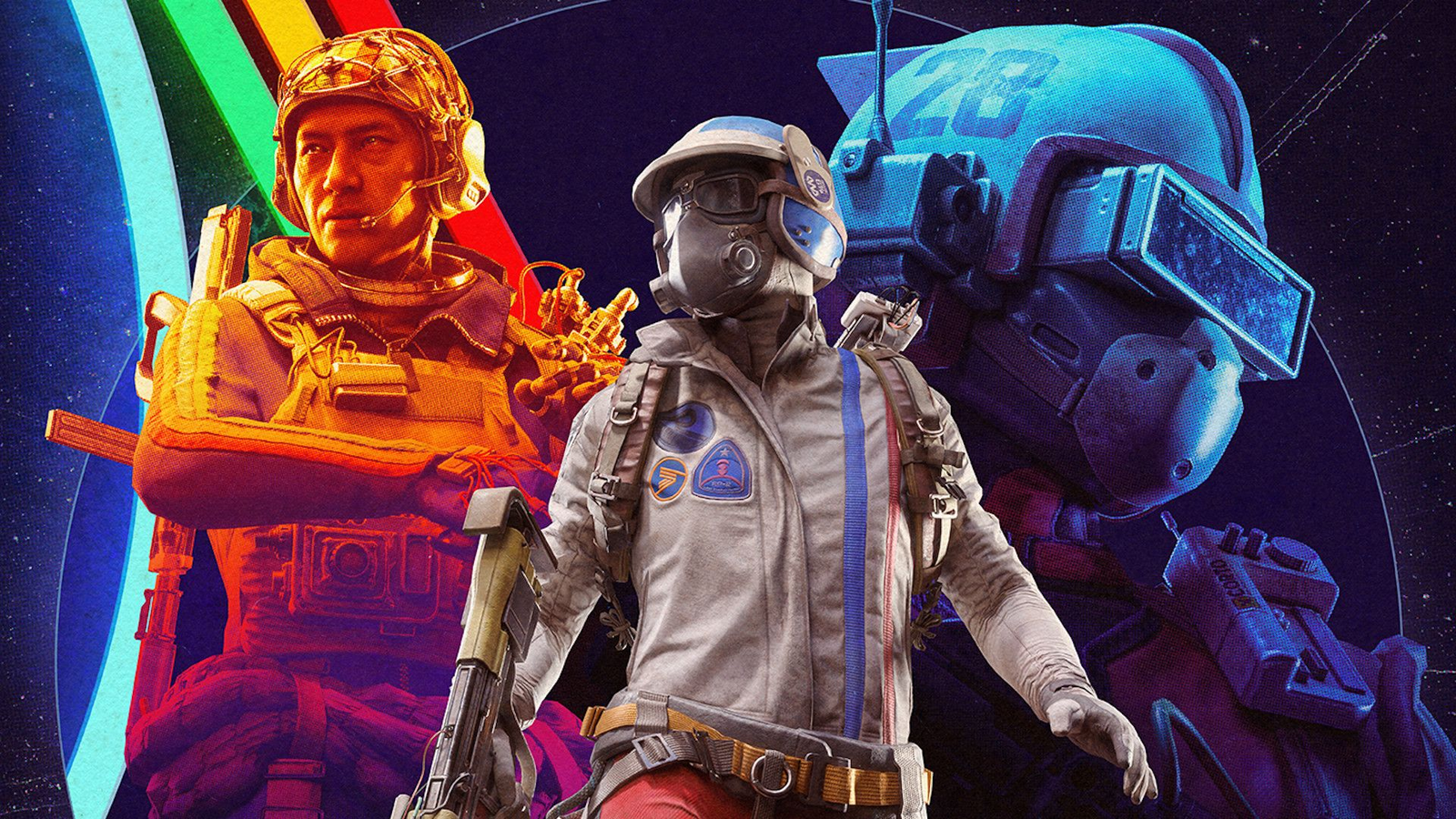
Arc Raiders arrived quietly, but it quickly became one of the most talked-about games of the year. The multiplayer world is full of dangerous drones and huge mechanical threats. Every player must fight, explore and survive with limited tools. The tension is constant, but the world feels alive thanks to dynamic encounters.
When two players cross paths, trust becomes the most important question. Both can help each other or turn hostile in seconds. Most players, however, choose teamwork. This surprises many reviewers, because similar games often push players toward conflict. Here, cooperation feels natural and even rewarding.
This friendly culture is one of the main reasons the game stands out. Reviewers say it creates small, personal stories during each match. These stories feel powerful because players shape them through their choices. The result is a game world that feels open, risky and strangely hopeful.
How generative AI shapes the game world

The biggest surprise in Arc Raiders is not the gameplay. It is how the development team used generative AI to build large parts of the experience. AI helps create dialogue fragments, ambient chatter and world details. This gives the world a flexible tone and a sense of constant motion.
The developers say this system speeds up their creative process. Instead of writing thousands of small lines, they build tools that can produce variations automatically. This approach helps the game feel full, even with a small writing team. The goal is not to replace human creativity, but to support it.
Players have mixed feelings about this choice. Some enjoy the dynamic results and the fresh variety. Others worry that AI tools might reduce the need for human writers. Many fans ask where the line should be drawn. They fear a future where studios use AI to cut jobs rather than improve quality.
Still, in Arc Raiders, the use of generative AI stays outside major story moments. The main plot, characters and key events remain written by humans. The AI fills the background world, not the core narrative. But the debate continues because the technology keeps growing.
The cultural debate behind AI in games
The game’s success arrived during a tense moment for creative workers. Writers, voice actors and digital artists have all expressed concern about AI in entertainment. They worry their work may be replaced or copied without protection. Arc Raiders became a symbol of this larger conflict.
For some creators, the worry is personal. AI systems can now imitate voices, generate art styles or produce story drafts. Many feel that the value of human skill is at risk. They argue that games should keep a strong human touch. Without it, stories may lose depth and emotional truth.
Players are also split. Some welcome new tools that make games richer and faster to develop. Others fear that studios may rely too much on AI because it is cheaper. This fear creates pressure on developers who want to explore AI without harming the community.
The industry has no clear rules yet. Some studios promise to protect human roles. Others experiment without public guidelines. This uncertainty fuels the debate even more. Arc Raiders sits at the center because it uses AI in a visible, ambitious way.
What arc raiders reveals about the future of gaming
The reaction to Arc Raiders shows how quickly the industry is changing. Generative AI will likely grow in future games, but the direction remains unclear. Some predict a wave of small teams using AI to build large worlds. Others expect strict rules to protect artists and writers.
One thing is certain: the discussion will shape the next decade of game development. Players now ask how their favorite games are made. Creators demand fair systems and strong ethical standards. Studios must balance innovation with responsibility.
Arc Raiders proves that AI can support creative vision when used with care. But it also highlights how important it is to protect human talent. The game’s success may push more studios to experiment. Yet it also reminds them that players value honesty and transparency.
Arc Raiders shows how generative AI can expand game worlds and spark intense debate. The game blends new tools with human creativity, but it also raises important questions. The future of gaming will depend on how wisely studios use AI. One thing stays clear: players want innovation, but they also want creators to stay at the heart of every game.