
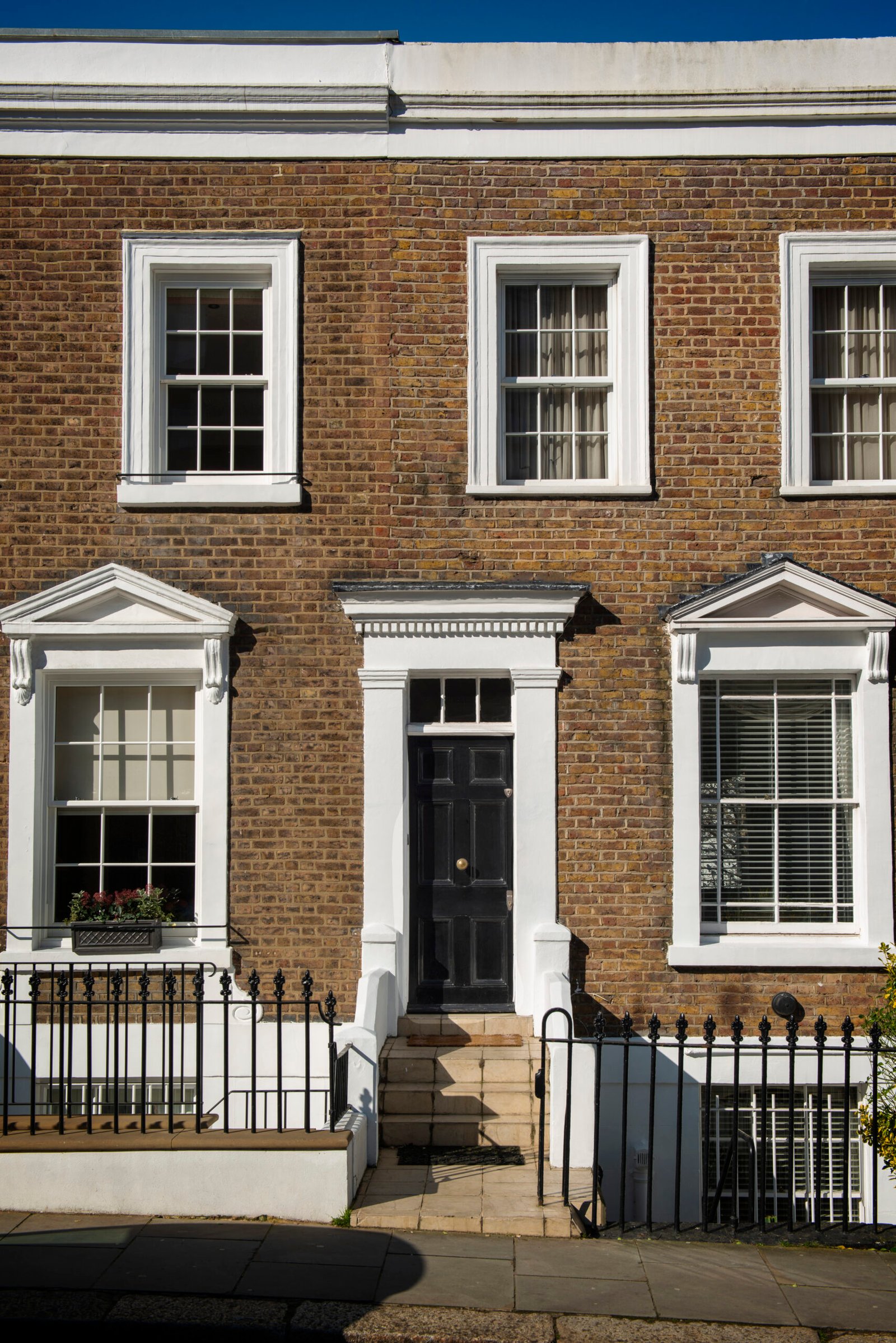
The announcement of a rise in the Mansion Tax has sparked concern among many property owners, especially in affluent areas like Richmond. Intended to increase council tax on high-value homes, the measure aims to support local budgets and strengthen essential public services. However, it has also intensified worries, from added financial pressure on households to fears of deepening economic inequality. While the government frames the reform as a move toward greater fairness, the debate remains sharp and highly polarized.
Mansion Tax: Why Property Owners Are Challenging the Rerform
For many homeowners whose properties have risen sharply in value over the years, the Mansion Tax is seen as an added financial strain placed on their assets. A number of them feel targeted, especially when their income has not grown in line with property prices. Long-term residents fear they will struggle to absorb a new yearly charge, deepening their sense of fiscal unfairness and resistance to the Mansion Tax.
Several property owners also argue that the measure does not reflect the true economic conditions of their local housing markets. In many areas, property values have surged while local incomes remain stagnant. As a result, the Mansion Tax is viewed as a policy that could intensify an already heavy tax burden, widening the gap between a homeowner’s real financial capacity and the assessed value of their home. This mismatch fuels frustration and sharpens criticism of the reform
Finally, many residents worry that the Mansion Tax could be the first step in a series of further increases. They fear a domino effect that could turn homeownership into an unsustainable financial challenge. Among families, this anxiety is particularly strong, as some believe they may eventually be pushed to leave their neighbourhood or sell their property to escape rising fiscal pressure. This ongoing debate highlights a growing sense of vulnerability among property owners.
How the Mansion Tax Disrupts the Financial Balance of Homeowners
For many homeowners, the increase in taxation forces a complete re-evaluation of their household budgets. Long-time residents now face an unforeseen expense, raising fears that they may need to cut back on everyday spending or postpone personal projects to cope with the adjustment. This added pressure heightens financial strain during a period already marked by economic uncertainty.
The Mansion Tax also plays a significant role in decisions related to buying and selling property. Some owners are considering putting their homes on the market to avoid the higher tax, while potential buyers are becoming more reluctant to invest in areas where future increases may occur. This atmosphere of uncertainty risks slowing property transactions and threatening the stability of the local housing market.
According to property experts, the Mansion Tax could even reshape how homeownership is viewed in affected communities. What was once perceived as a symbol of stability has, for some, become a source of concern. With its added fiscal burden, the Mansion Tax is prompting families to revisit their financial priorities, reshaping budgeting habits and influencing the economic behaviour of homeowners.
A Major Political Issue for UK Property Owners
Beyond financial considerations, the Mansion Tax ignites deeper political concerns. Many homeowners view the measure as part of a wider shift toward increased taxation in high-value neighbourhoods. They fear it may intensify regional and social divides, moving the debate well beyond budgetary issues and raising broader questions about what constitutes true fiscal fairness.
Local authorities, however, argue that the mansion tax is essential for improving public services. They highlight rising funding needs for schools, transport, and security, insisting that owners of high-value properties should contribute more because they benefit from the advantages of their neighbourhoods. This position has reignited a fierce debate between perceived fairness and the reality of a heavier tax burden.
In the end, the mansion tax could reshape relations between residents and local governments. Many property owners believe the lack of consultation heightens mistrust. They are calling for clearer, more transparent reforms that better reflect local realities. Regardless of how the situation evolves, the mansion tax stands at the centre of crucial discussions about UK taxation and its impact on everyday life.