
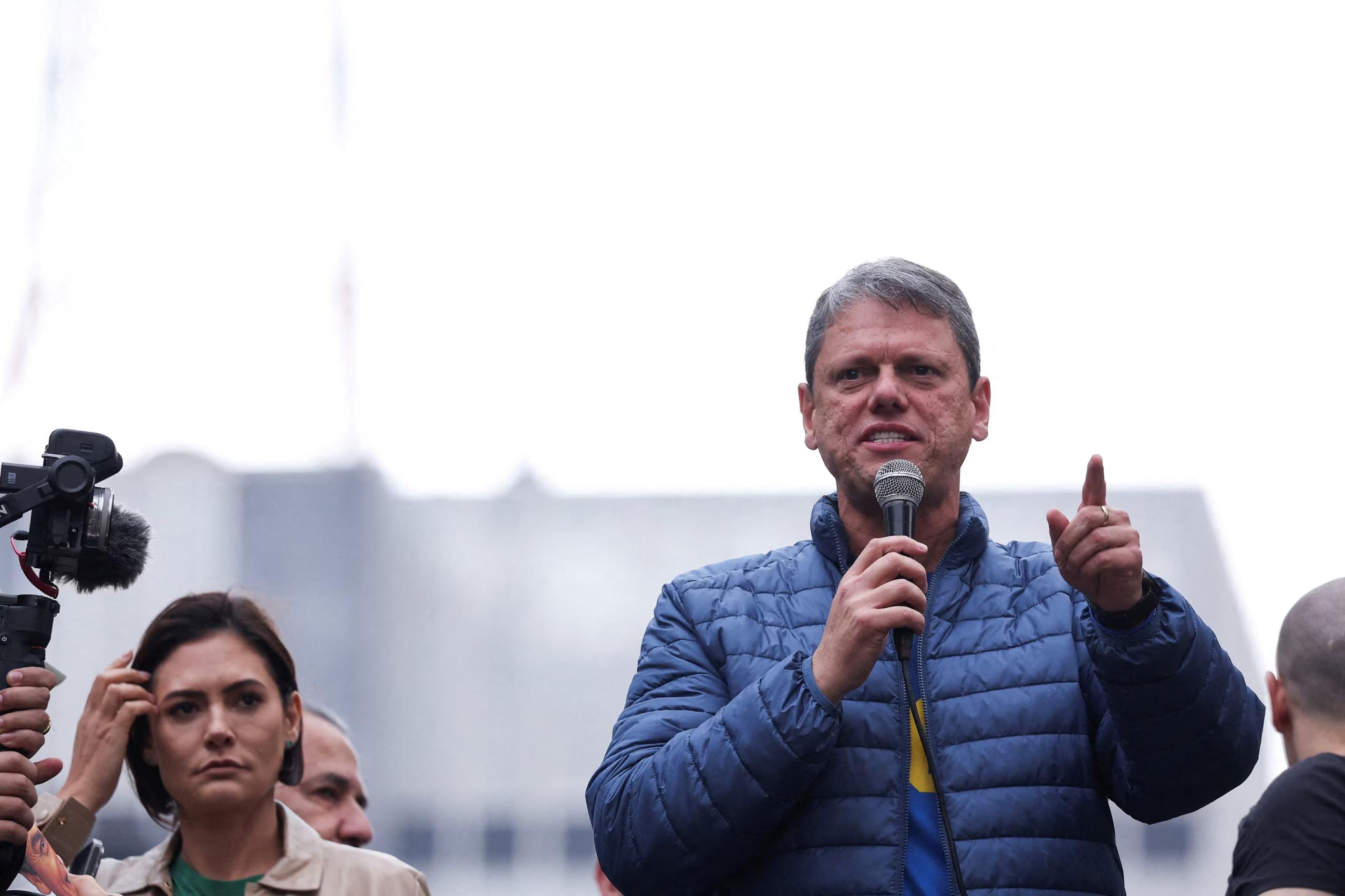
The imprisonment of Jair Bolsonaro marks an unprecedented turning point in Brazil’s recent political history. The former president, once capable of mobilizing massive crowds, has begun a 27-year prison sentence linked to an attempted institutional overthrow. Contrary to initial fears, no major right-wing uprising has emerged. This contrast raises questions about Bolsonaro’s real influence, the future of the movement bearing his name, and the political consequences of his sudden collapse.
Bolsonaro imprisonment impact on popular mobilization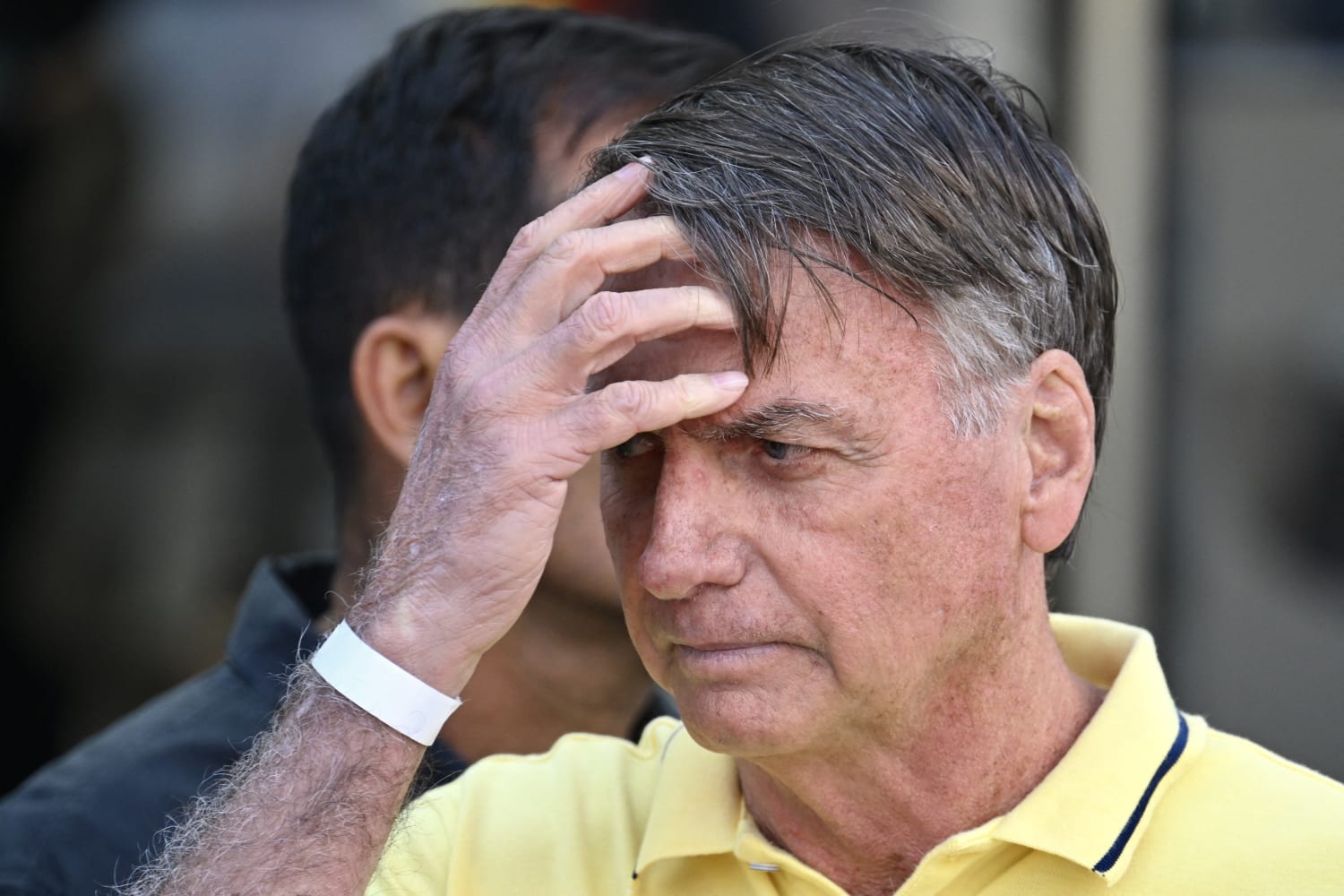
The Bolsonaro imprisonment impact immediately became visible on the streets. While his arrest could have triggered protests similar to the massive demonstrations seen during his term, this did not occur. Only a few dozen supporters gathered outside the federal police base where he was detained. This weak mobilization contrasts with the immense popularity he displayed in past campaigns and public appearances.
The limited reaction highlights an exhaustion of the movement built around his personality. Weather conditions alone cannot explain the lack of momentum, as past pro-Bolsonaro rallies often took place under similar circumstances. It appears that conservative circles are disoriented, lacking strategy, coordination, and above all, leadership. The impact therefore extends beyond the judicial act, revealing a deep weakening of the militant energy that once defined this movement.
Political stakes of the Bolsonaro imprisonment impact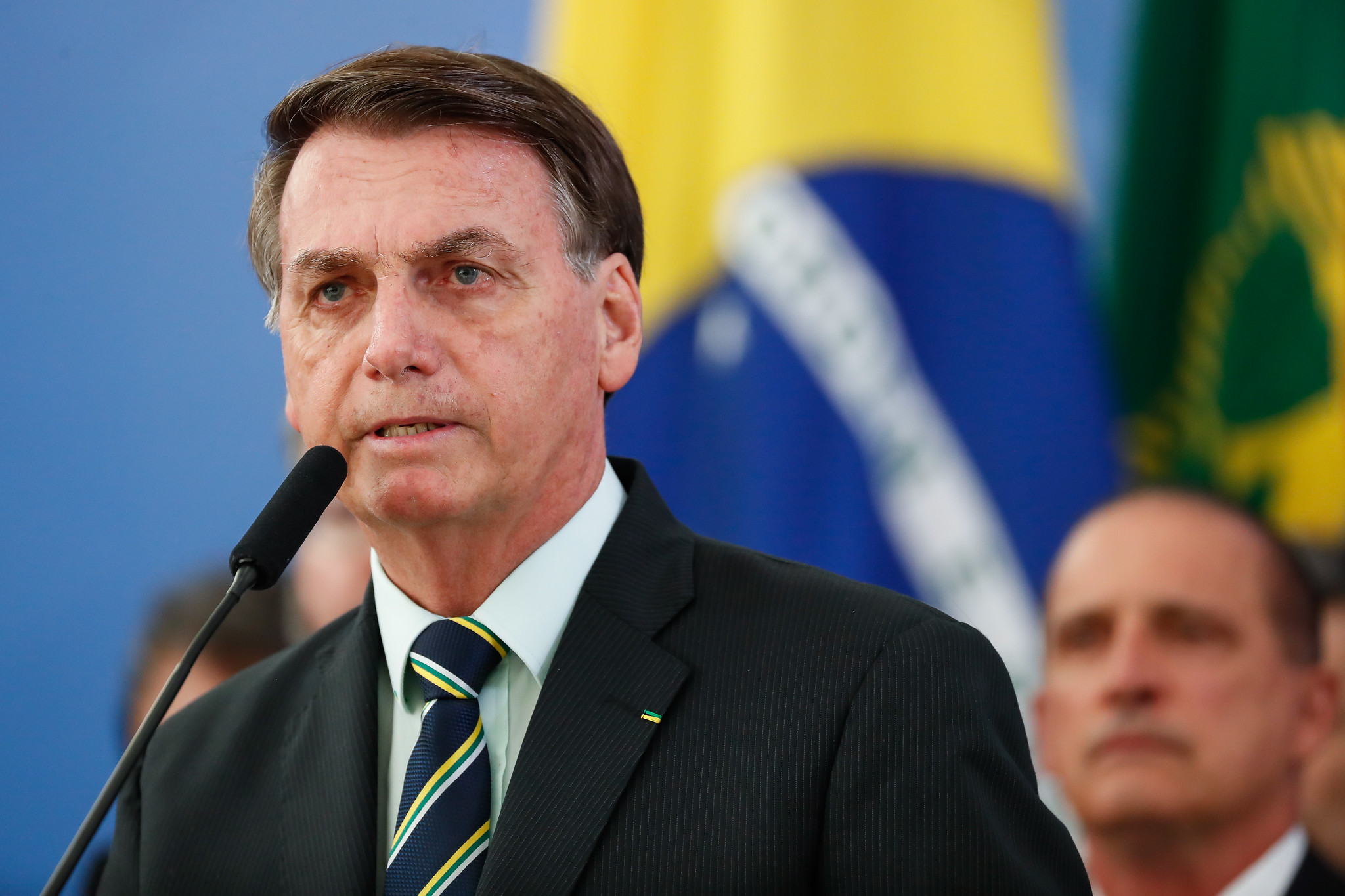
The Bolsonaro imprisonment impact goes far beyond street reactions. Institutionally, Bolsonaro faces multiple convictions that could bar him from running for office for decades. This prospect reshapes the internal balance of Brazil’s right wing, which must reorganize around new figures or new strategies.
Although some supporters raise the possibility of a pardon or amnesty, such outcomes depend heavily on future election results. Analysts suggest this uncertainty traps the movement in a passive wait-and-see phase. The absence of credible alternative leaders exacerbates the sense of political vacuum, while tensions grow between moderate conservatives and radical factions. Brazil’s conservative landscape is therefore entering a process of recomposition with long-term implications.
Future of the conservative movement after the Bolsonaro imprisonment impact
The Bolsonaro imprisonment impact raises a fundamental question: can “Bolsonarism” survive without Bolsonaro? Experts argue that the ideas he promoted will continue to influence politics, even if his personal capacity to unify supporters diminishes. Brazilian political history offers examples of leaders who rose again after downfall, but Bolsonaro’s situation differs due to the lack of a robust organizational structure around him.
Some analysts compare this moment to the decline of other populist leaders who left fragmented movements behind. The radical conservative ideology is likely to persist, potentially carried by new political figures. The Bolsonaro family itself faces legal challenges that weaken its influence. The movement may therefore evolve, gradually distancing itself from its founder to take a new shape.
Social reactions to the Bolsonaro imprisonment impact
A key aspect of the Bolsonaro imprisonment impact is how Brazilian society reacted. While his supporters expressed controlled indignation, opponents celebrated what they view as a needed step toward justice. Some demonstrators voiced relief, arguing that the arrest strengthens institutional stability.
Polarization, however, remains present. Bolsonaro’s narrative of victimhood has lost traction among citizens more concerned with economic and social issues. The gap between everyday concerns and a narrative centered on his personal fate contributes to his declining influence. Overall, Brazilian society appears increasingly willing to move forward, even though ideological divisions remain deep.
Institutional role in managing the Bolsonaro imprisonment impact
Institutions play a critical role in the Bolsonaro imprisonment impact. Their ability to enforce legal decisions without triggering unrest illustrates a certain democratic maturity. The Supreme Court, law enforcement, and election authorities have maintained firm positions, demonstrating independence from political pressure.
This contributes to limiting risks of destabilization. At the same time, it strengthens public perception of a state determined to defend its institutions from authoritarian threats. The moderate reaction of the population reinforces this dynamic. Still, some observers remain cautious, aware that tensions could resurface if political actors fail to address frustrations and propose a unifying national project.
The imprisonment of Jair Bolsonaro represents a major shift for Brazil’s conservative movement. The Bolsonaro imprisonment impact translates into a loss of personal influence, weak public mobilization, and an uncertain political reconfiguration. While the movement is unlikely to disappear, it is clearly entering a transformative phase. The coming months will determine whether Brazil’s right wing finds a new leader or continues to be shaped by Bolsonaro’s complex legacy.