
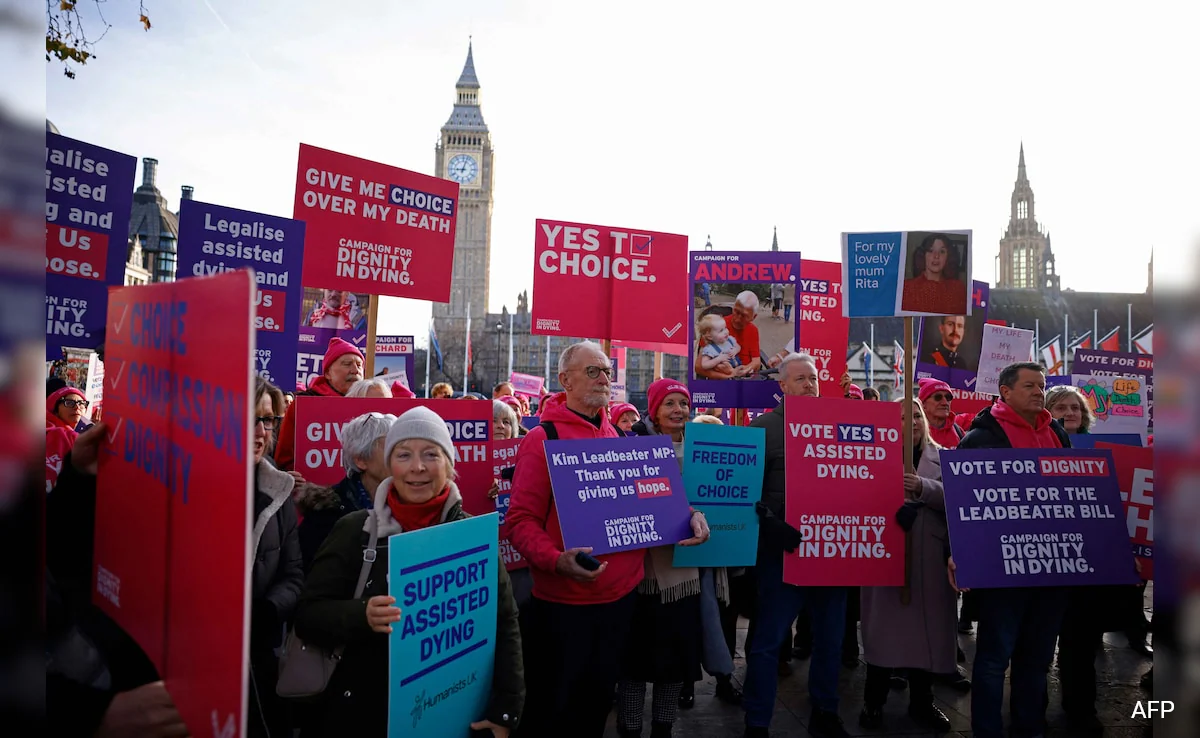
The debate on assisted dying in the United Kingdom has become central to current political and ethical discussions. Balancing patient autonomy, end‑of‑life dignity, medical responsibility, and parliamentary obstacles has created a deeply divisive national issue. The large number of amendments submitted to the House of Lords, the objections of a vocal minority, and the limitations of the bill introduced by Kim Leadbeater all contribute to an intense and ongoing controversy. This article explores the key challenges of the reform, the criticisms raised, and the solutions envisioned for a more coherent and humane legal framework.
The issues surrounding assisted dying in the United Kingdom
The debate on assisted dying in the United Kingdom revolves around a fundamental question: how can society reconcile human dignity, personal autonomy, and patient safety with a medical system that must remain ethically sound? The current bill aims to strictly regulate medical assistance in dying, yet its progress has been hindered by hundreds of amendments, many of which raise concerns about their relevance. Some amendments appear disproportionate or unreasonable, such as requiring a pregnancy test from all individuals requesting assisted dying, including very elderly patients with terminal illnesses.
For supporters of the reform, the real challenge lies in offering a clear and safe legal framework that respects ethical values while avoiding abusive or inappropriate practices. The bill includes unprecedented protections for healthcare professionals, notably a strict conscience clause ensuring that no doctor is obligated to participate in the procedure. The goal is not to impose a new medical norm but to give dying patients an option when no other solution can relieve their suffering.
Beyond the medical dimension, the debate exposes a democratic tension: some believe that the unelected House of Lords is obstructing a reform supported by elected Members of Parliament. This fuels frustration among advocates who view the bill as a necessary and overdue response to the wishes of the population.
Criticisms and limitations of the current bill
Despite its progress, the bill faces a major criticism: it limits eligibility to patients with a life expectancy of six months or less. This approach, inspired by foreign models, is considered arbitrary by many experts. Individuals suffering from incurable, chronic conditions that cause extreme distress but do not meet the six‑month threshold are excluded.
Medical professionals supporting assisted dying argue that the criterion does not align with real‑world suffering. A person living with total paralysis or permanent unbearable distress may have a longer life expectancy yet still experience intolerable conditions. Excluding such individuals creates an illogical and inequitable system.
Opponents of the bill use this gap to challenge the reform and justify procedural delays through excessive amendments. For them, the bill’s lack of flexibility reflects a dangerous ambiguity, even though the argument often serves to maintain the status quo. This legislative impasse directly affects patients who continue to be denied access to a regulated, compassionate option.
The role of healthcare professionals in assisted dying
Healthcare professionals are at the heart of the assisted dying debate. The bill assigns them a vital role while guaranteeing strong individual protections. The conscience clause clearly states that no doctor must participate if they oppose the practice for ethical or personal reasons.
Supporters argue that refusing assisted dying can undermine patient autonomy, leaving individuals with terminal or irreversible suffering without an option to end their distress. Opponents, on the other hand, emphasise the physician’s duty to preserve life and alleviate suffering without directly ending life. This divergence reflects deep ethical sensitivities and highlights the need for a structured and transparent legal framework.
Political obstacles and their impact on patients 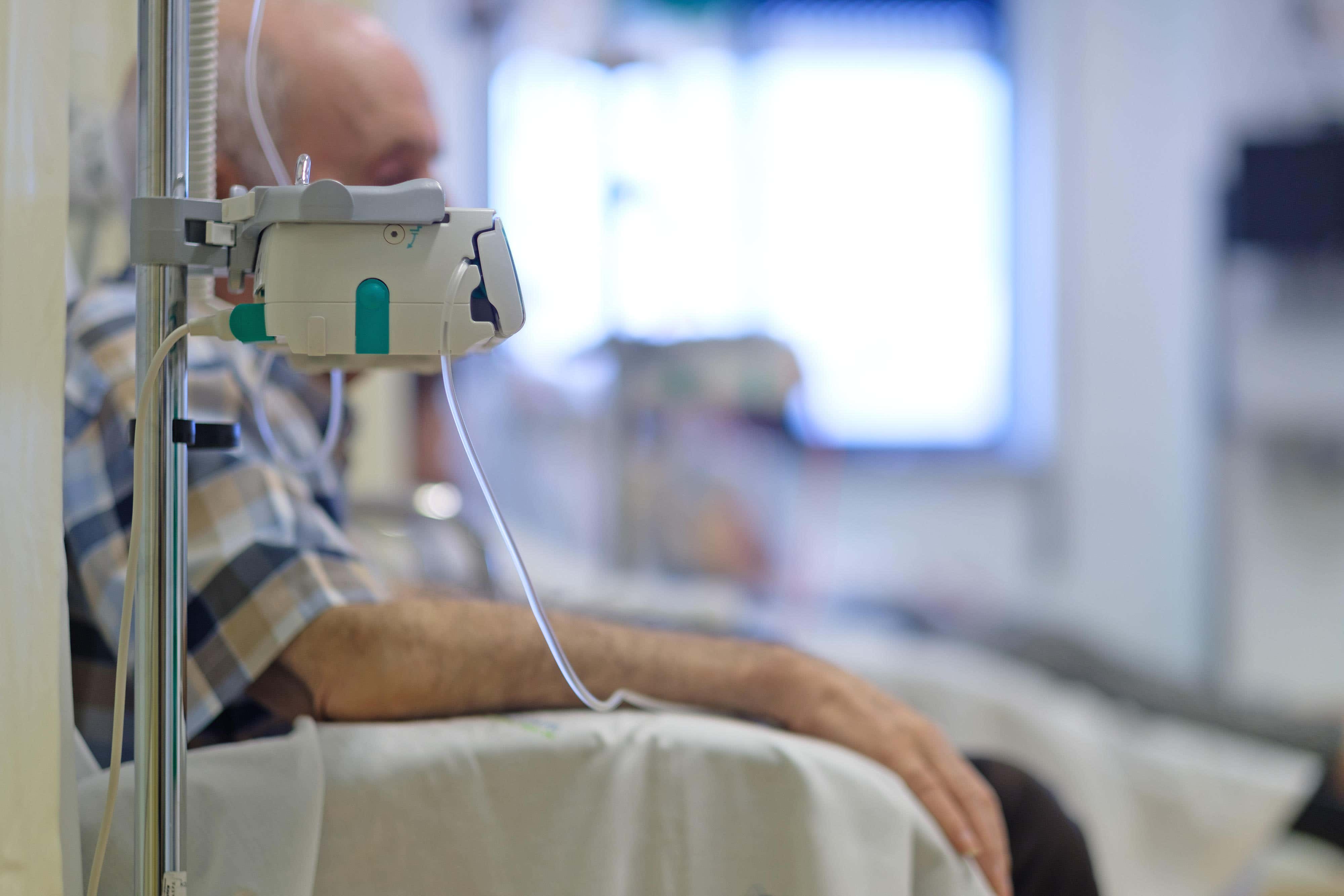
Parliamentary obstacles particularly in the House of Lords are among the main threats to the reform. A determined minority repeatedly submits amendments aimed at slowing or derailing the legislative process. Critics argue that this obstructs the democratic will expressed by the elected chamber.
For patients, these delays have severe consequences. Many are left without legal options and must travel abroad to access assisted dying, often at great financial and emotional cost. This creates inequities, as only those with significant resources can pursue this option in countries where assisted dying is legal.
Such political deadlock widens the gap between institutions and public opinion. Polls consistently show strong support for assisted dying under strict safeguards. The imbalance between public demand and political action raises concerns about democratic representation.
Toward a more coherent reform of assisted dying in the United Kingdom
Many experts believe the solution lies in drafting a new, more ambitious bill that removes the arbitrary six‑month life expectancy limit. Instead, eligibility could be based on irreversible suffering and the absence of reasonable alternatives. This would include individuals who are not terminal in the medical sense yet experience intolerable daily suffering.
A more comprehensive reform would also strengthen medical procedures, multidisciplinary evaluations, psychological support, and safeguards against misuse. The goal would be to establish a clear, ethical, and secure system that respects individual convictions while ensuring patient protection.
The debate on assisted dying in the United Kingdom reveals a complex intersection of ethics, democracy, medical responsibility, and personal freedom. The limitations of the current bill, combined with political obstruction, demonstrate the urgent need for a more coherent and humane legal framework. A modernised law centred on dignity, autonomy, and real suffering would offer meaningful support to patients facing irreversible conditions. The United Kingdom must now decide whether to maintain a contested status quo or move toward a balanced and compassionate reform.