
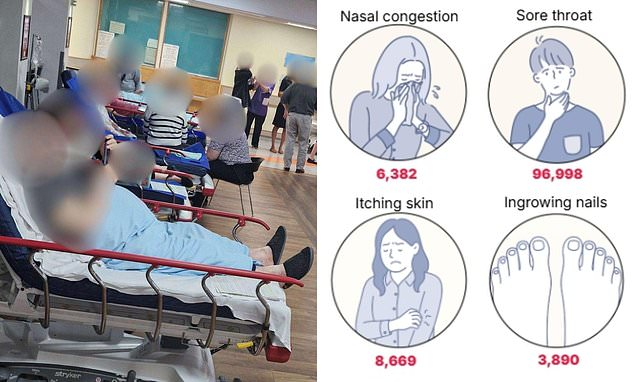
This winter, NHS emergency services are facing unprecedented pressure, driven by a substantial influx of patients presenting with minor ailments that could be treated elsewhere. Between November 2024 and March 2025, hospitals recorded thousands of appointments for benign conditions, exacerbating the strain on an already stretched healthcare system.
A relentless stream of consultations for everyday problems
Data gathered during the cold season highlights an alarming situation: over 6,300 individuals sought NHS emergency services for blocked noses. Nearly 400 consultations concerned cases of hiccups, whilst ingrown toenails prompted more than 3,800 visits to A&E departments. These figures reveal a growing trend where NHS emergency services have become the first port of call for health issues that should ordinarily be addressed by GPs or within primary care settings.
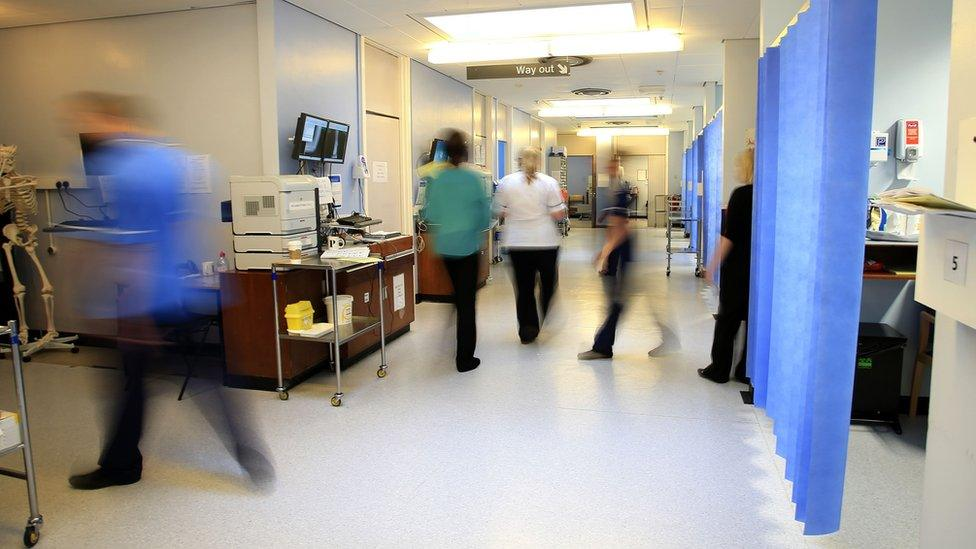
This exposes a paradox within the British healthcare system: whilst emergency departments are designed to handle critical cases requiring immediate attention, they are frequently overwhelmed by patients whose condition does not warrant urgent hospital intervention. Health professionals are raising the alarm about this inappropriate use of medical resources, which jeopardises the speed of response for genuine life-threatening emergencies.
A particularly challenging winter for NHS emergency services
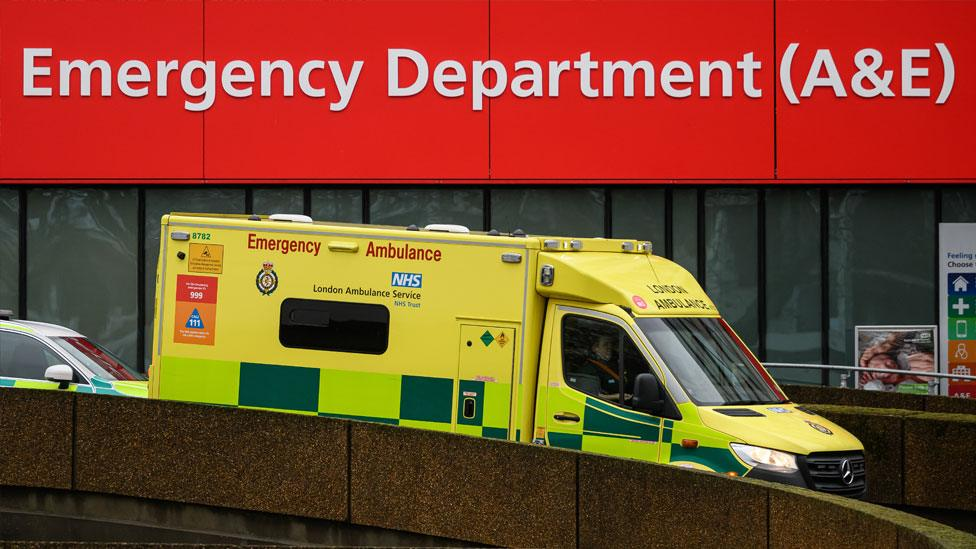
Health authorities anticipate that winter 2024-2025 will rank amongst the most difficult ever experienced by the National Health Service. This projection is based on several converging factors: the usual rise in seasonal illnesses, the increase in visits for minor complaints, and the structural pressures affecting the entire healthcare system.
The saturation of NHS emergency services is not an isolated incident but forms part of a broader issue relating to access to primary care. Many patients turn to A&E because they cannot secure an appointment with their regular GP quickly enough. This scenario creates a vicious cycle where NHS emergency services, swamped by non-life-threatening cases, struggle to focus on their primary mission: patients in mortal danger.
Impact on the quality of emergency care
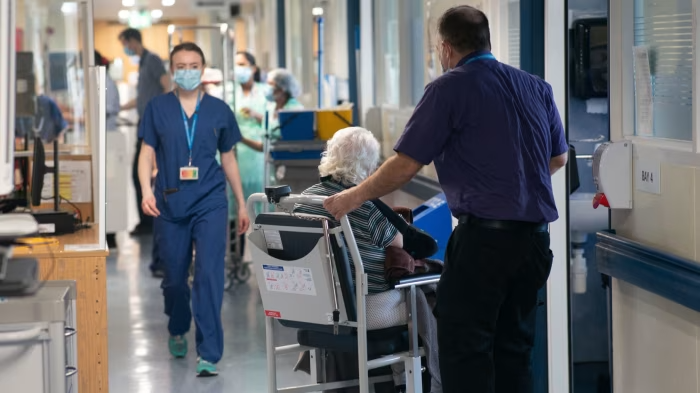
The massive arrival of patients consulting for trivial reasons has immediate effects on the efficiency of NHS emergency services. Waiting times have lengthened considerably, potentially delaying treatment for patients suffering strokes, heart attacks, or serious trauma, because medical teams are divided between triaging a multitude of minor requests and attending to critical cases.
This situation also raises questions about public health education and understanding of the specific role of hospital emergency departments. Healthcare professionals advocate for better patient signposting: towards pharmacies for advice on minor ailments, to GP surgeries for schedulable consultations, or to telemedicine services for non-urgent medical queries. More rational use of resources would preserve NHS emergency services’ capacity to respond to critical situations whilst directing patients towards the most appropriate level of care for their actual needs.
Faced with this attendance crisis, the British healthcare system must reconsider and reposition its care provision. Solutions involve strengthening local primary care, improving communication about appropriate use of emergency services, and potentially establishing intermediate structures capable of handling semi-urgent cases. The challenge remains ensuring that every patient receives the right care, in the right place, at the right time, whilst preserving the viability of NHS emergency services already confronted with unprecedented challenges.