
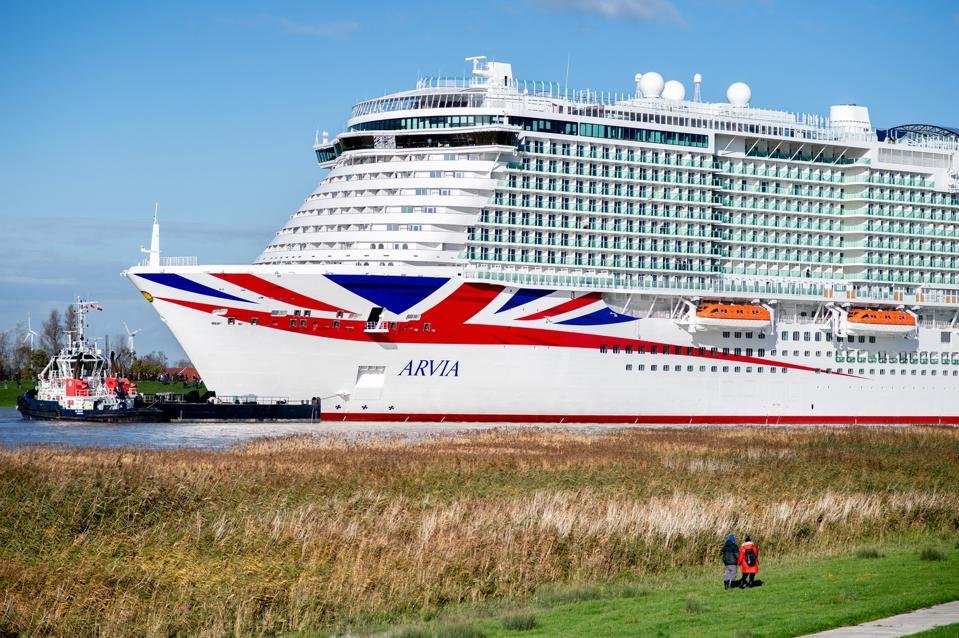
Navigating the Waters of Change
The British cruise industry, with its deep roots in historic shipping and passenger lines, stands at a pivotal moment. Once associated primarily with traditional luxury and retirement holidays, the sector is currently undergoing a “Maritime Makeover,” driven by the need to diversify its clientele, respond to sustainability demands, and redefine what “luxury” means to the modern traveller.
To ensure long-term growth and relevance, British cruise lines must look beyond their traditional demographic and successfully integrate innovation, authentic experiences, and environmental consciousness into their core offering. This article explores the strategic imperatives for attracting new clientele and setting new benchmarks for luxury in the current market.
II. Attracting New Clientele: Diversification is Key
The future profitability of the British cruise industry depends on successfully engaging segments of the market that historically viewed cruising as inaccessible or unappealing.
1. The Experience-Driven Younger Traveller
Cruising must shed its image as a passive holiday. Attracting younger, affluent, and family-based clientele requires a pivot to experience-led cruising. This includes offering bespoke, adventure-focused shore excursions (e.g., specialized culinary tours, active exploration), integrating cutting-edge entertainment and technology on board, and providing flexible, dynamic itineraries that appeal to those seeking cultural immersion over structured relaxation. Luxury is redefined here as access to unique experiences.
2. Accessible Luxury and Family Focus
While high-end luxury remains a profitable niche, growth necessitates making premium cruising appealing to multi-generational families. Strategies include designing specialized family-friendly zones, offering interconnected staterooms, and developing educational or enrichment programs that cater to children of all ages. Furthermore, the concept of “affordable luxury”—offering high-quality service and amenities without the intimidating price tag of all-inclusive ultra-luxury—opens the market to professional couples and younger families.
III. Redefining Luxury: Authenticity and Sustainability
The modern luxury traveller prioritizes values, authenticity, and exclusivity over mere opulence.
1. The Shift to Expedition and Niche Travel
True luxury is increasingly defined by the journey itself, rather than the destination amenities. British lines are well-positioned to capitalize on the growing interest in expedition cruising and niche itineraries (e.g., Arctic exploration, bespoke Mediterranean ports). These smaller-ship formats offer intimacy, specialized expertise (lecturers, naturalists), and a curated sense of exclusivity that traditional mega-ships cannot match.
2. Sustainability as the Ultimate Luxury
For a growing segment of environmentally conscious consumers, especially in the UK, sustainability is the new luxury amenity. Cruise lines must move beyond token gestures and commit to deep decarbonization, investing in cleaner fuels (such as LNG or methanol), advanced waste management systems, and transparent reporting on environmental impact. Lines that can credibly market themselves as the “greenest option” gain a powerful competitive and ethical edge, attracting socially responsible clientele.
IV. Conclusion: A Future Built on Innovation
The British cruise industry is evolving from a traditional leisure sector into a sophisticated experience economy. The path to enduring success lies in proactive innovation: diversifying itineraries to appeal to the experience-seeker, professionalizing the family offering, and embracing sustainability as a core business driver, not just a marketing add-on.
By strategically redefining luxury around access, authenticity, and environmental responsibility, British cruise lines can not only attract the next generation of travellers but also secure their place at the forefront of the global maritime leisure market.