
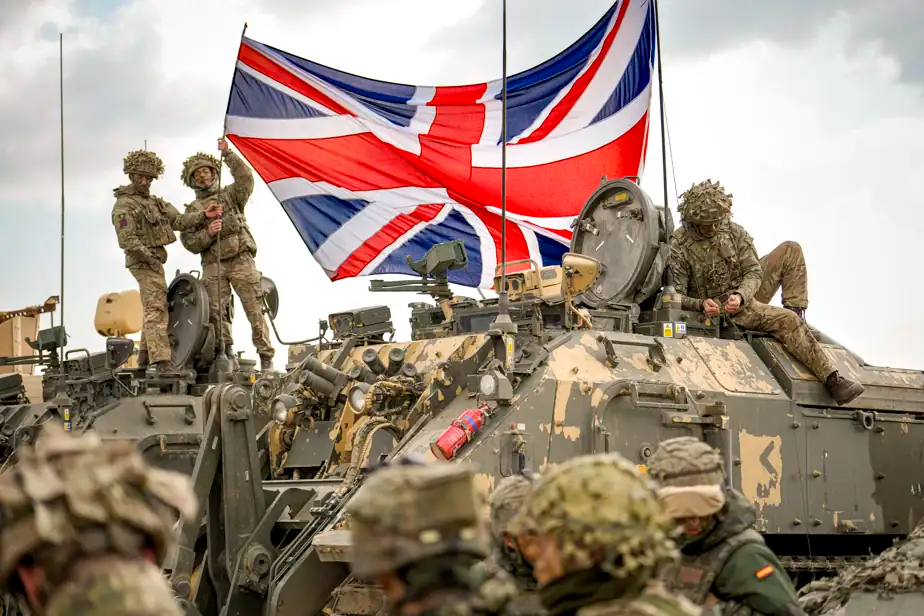
In a tense geopolitical context marked by escalating international conflicts, the United Kingdom has made a decisive move. The UK defence budget is set to reach 2.5% of GDP by 2027, marking its biggest increase since the Cold War. The decision, driven by Keir Starmer, aims to strengthen national security, modernise military capabilities, and address emerging global threats.
Political and Public Reactions in the United Kingdom
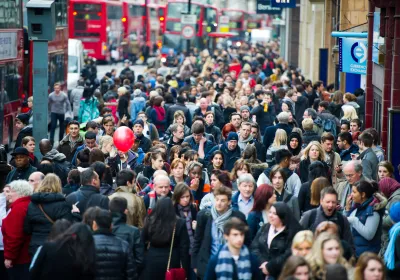
It is precisely in this highly tense social and political context that the UK defence budget increase was announced. Public opinion focuses on concerns about the cost of living, slowing economic activity, and the ongoing NHS crisis. Many question prioritising military spending while public services remain underfunded.
Politically, the Starmer government faces growing tensions. The crackdown on recent anti-immigration protests triggered a partial cabinet reshuffle, reflecting a precarious social climate. Labour also must counter the rise of a far-right party seeking to exploit public dissatisfaction and reaction to a struggling government.
Labour’s decisive 2024 election victory initially raised hopes for political renewal after years of Brexit-related divisions. Less than a year later, these hopes have mostly turned into accumulated frustrations. Criticism of the government, particularly on economic and social issues, now emerges from different perspectives, even as national security remains a main priority, with a military budget target of 3% of GDP.
Political scientist Florence Faucher from Sciences Po notes this pattern reflects a British society shaped by economic, social, and geopolitical security concerns. The decision to increase the UK defence budget can be viewed as a political gamble—reassuring NATO allies, asserting the country’s strategic international position, but potentially disappointing parts of the population affected by inflation and ongoing social crises.
The United Kingdom Faces a New Global Arms Race
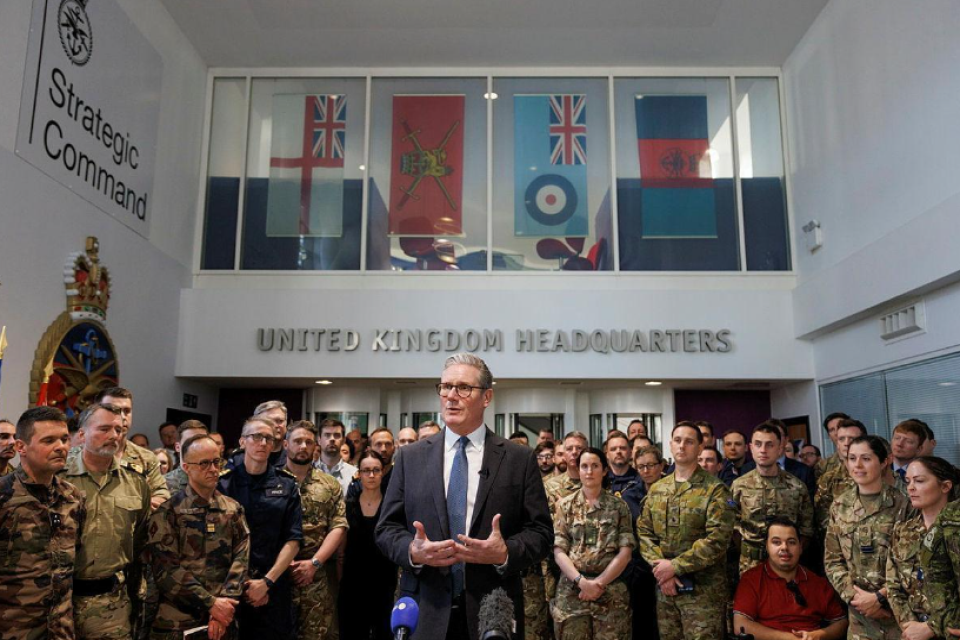
The Starmer government’s announcement of a strong data-start UK defence budget set at 2.5% of. GDP has sparked both political and public reactions. Politically, the government faces a challenging environment marked by inflation, rising living costs, and the ongoing crisis in the National Health Service (NHS). Within the Labour Party, it must contend with the rise of the far-right “Civic Nationalism” movement and tensions over immigration in the UK, which have led to protests and a cabinet reshuffle in September 2025.
Publicly, these decisions have triggered debates and concerns over the potential economic and social effects of cuts to international development aid. The UK is positioning itself to become a key player on the new global rearmament stage, in line with the National Security Strategy 2025. This strategy aims to adapt the armed forces to an unstable environment in response to threats from Russia and China, while coordinating closely with French and American allies.
These reactions highlight the challenge of balancing political and social acceptability with national security requirements. The UK defence budget is therefore central to current debates, reflecting the complex choices between ensuring security and managing public spending in line with citizens’ needs.
UK Defence Industry

https://youtu.be/CwXG9fbJueM?t=40