
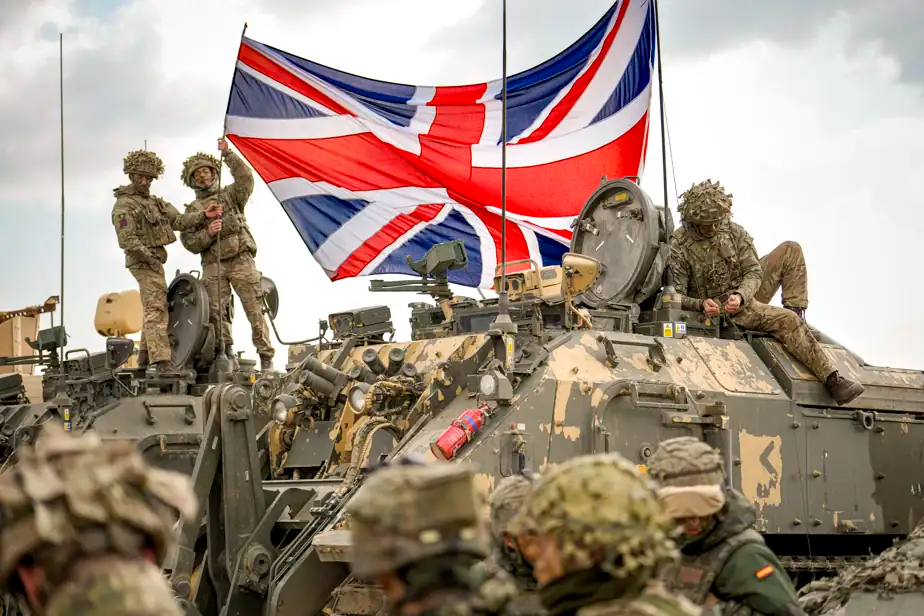
The Rise of Political Polarisation in the UK
The United Kingdom is witnessing a growing political divide, reshaping society and influencing daily life. From Brexit debates to economic policies and social issues, political polarisation is becoming a defining feature of modern British politics. Citizens, businesses, and the media are all feeling the effects of this deepening division.
Origins of Political Polarisation
Political polarisation in the UK has been driven by several key factors. Brexit remains a major source of division, with contrasting views on trade, immigration, and sovereignty. Economic inequality, regional disparities, and social policies also fuel disagreements between political parties and voters. Additionally, the rise of social media has amplified opinions, often creating echo chambers where people only encounter views that reinforce their beliefs.
This growing divide is reflected in voter behaviour, party strategies, and public discourse. Traditional party lines are blurring, while more radical and populist voices gain attention. Over time, these factors have created an environment where compromise becomes more difficult and political debates more heated.
How Polarisation Affects UK Society
The impact of political polarisation extends beyond Westminster. Communities feel the effects as debates over national identity, immigration, and public services become more contentious. Media coverage often highlights conflict rather than consensus, reinforcing divisions. Workplace discussions, local communities, and even families are affected, as differing political views can lead to tension and misunderstandings.
Economically, polarisation may influence investor confidence and policy decisions, as governments struggle to maintain stable policies amid opposing pressures. Public services such as healthcare and education are also under scrutiny, with policy changes often delayed due to political deadlock.
What the Future Holds for British Politics
Looking ahead, political polarisation in the UK is unlikely to disappear soon. Analysts suggest that bridging these divides requires greater civic engagement, dialogue between communities, and transparent policymaking. Strengthening trust in institutions and promoting inclusive debate may help reduce tensions.
For businesses, citizens, and policymakers, understanding these shifts is crucial. Political polarisation shapes voting behaviour, economic policies, and the social climate, influencing how the UK navigates both domestic and international challenges in the coming years.
Political polarisation is reshaping the UK, affecting society, economy, and governance. While the divisions are clear, understanding the root causes and encouraging dialogue could pave the way for a more united future. How the UK addresses these challenges will determine its stability, prosperity, and global standing in the years ahead.