
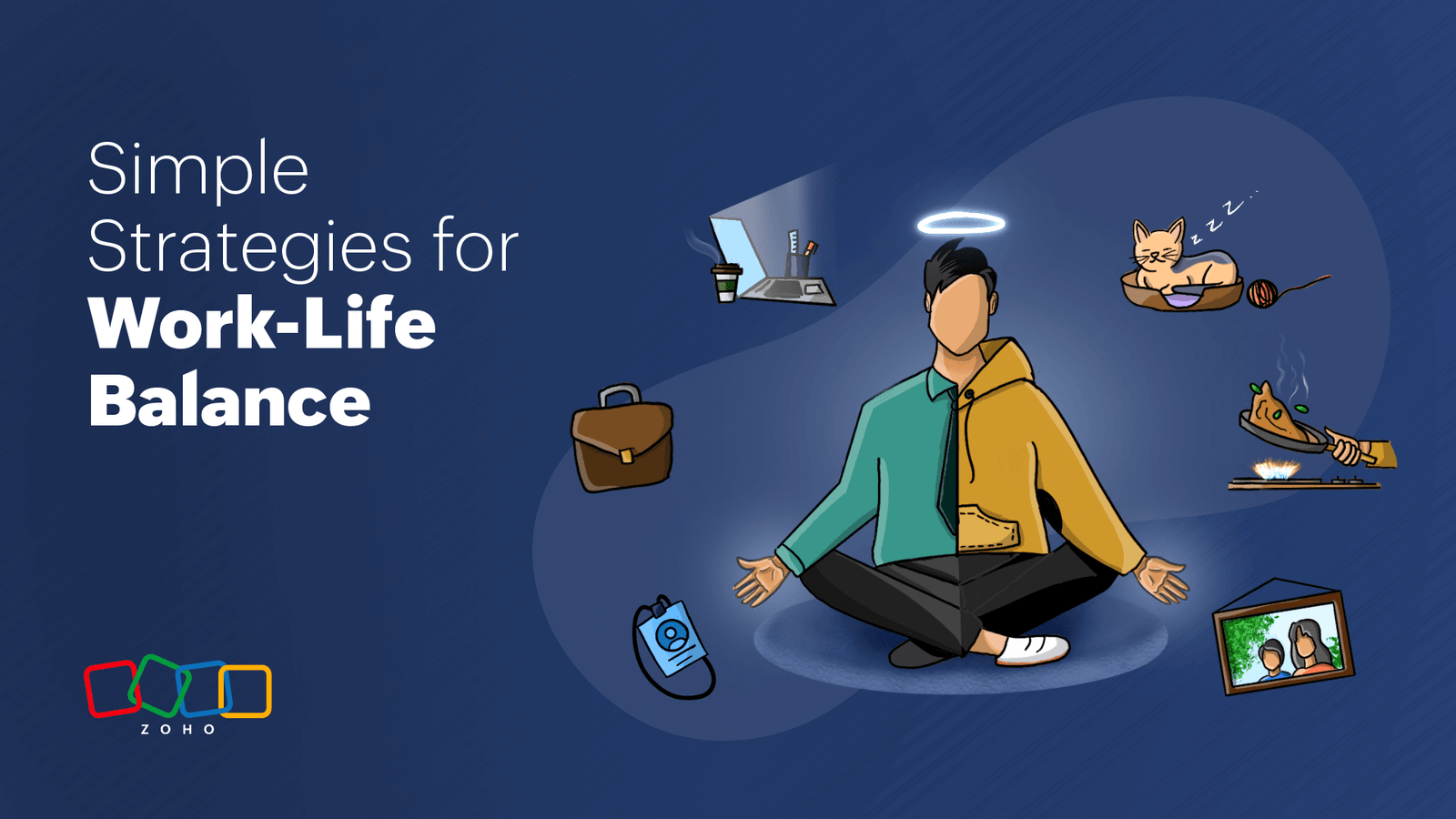
New Rituals Shaping British Work-Life Balance and Creative Drive
I. Introduction: The Search for Presence in a Hyper-Connected World
The modern British worker operates under a persistent tension: the expectation of constant productivity meets the reality of digital burnout. In response, there has been a noticeable cultural shift towards adopting structured, intentional practices—new rituals—designed to reclaim focus, manage stress, and foster a deeper sense of presence. This movement, often characterized by the rise of mindfulness and structured mental breaks, is fundamentally reshaping the concept of work-life balance and influencing how creative momentum is achieved.
This article explores the growing acceptance of these new wellness rituals within the British workplace and home, analyzing their impact on employee well-being, creative output, and the overall transformation of the national work ethic.
II. The Mindfulness Movement: From Therapy to Mainstream
Mindfulness, once seen as a niche therapeutic tool, has become a mainstream fixture in British corporate and daily life, recognized as a crucial component of mental resilience.
1. Corporate Adoption and Institutional Support
Major UK employers, from financial institutions to the public sector, are integrating mindfulness training and meditation apps into their employee welfare programs. This acceptance reflects a pragmatic recognition that mental health is inextricably linked to productivity. Providing scheduled “mindfulness moments” or quiet zones is an attempt to mitigate the effects of the always-on culture, reducing absenteeism and boosting long-term staff retention. The focus is on teaching employees techniques to compartmentalize work stress and maintain cognitive clarity.
2. The Daily Digital Detox
On an individual level, the new ritual of the digital detox—or setting intentional boundaries with technology—has gained traction. This is a direct response to the fatigue generated by constant notifications. Simple rituals, such as banning phones from the dining table, designating a “switch-off hour” before bed, or taking “walk-and-talk” meetings, are utilized to create essential spaces of mental silence. These practices are aimed at achieving deep work by reducing fragmentation and reclaiming personal time from the demands of the instant-response digital environment.
III. Redefining Work-Life Balance: From Time to Energy
The traditional goal of “work-life balance” (an equal split of time) is being replaced by a focus on energy management—using rituals to restore and maximize focus during peak productivity hours.
1. The Power of Intentional Breaks
For creative professionals and those in high-pressure roles, the ritualized break has become a key to sustaining momentum. This moves beyond the simple coffee break to include practices like the focused ‘pomodoro’ technique, scheduled physical activity, or short bursts of nature exposure (the “green break”). These activities are seen not as distractions, but as proactive tools for cognitive restoration, ensuring that when the individual returns to their task, they do so with renewed creative drive and problem-solving capacity.
2. The Rise of the ‘Slow’ Ritual
Parallel to high-tech professional life is the increased value placed on slow living and analog rituals. Activities such as baking, gardening, or the revival of traditional crafts are valued precisely for their lack of screen time and their grounding, repetitive nature. These rituals provide a tangible, non-digital contrast to the abstract nature of knowledge work, offering a vital psychological counterweight that contributes to a more balanced identity.
IV. Conclusion: Sustaining Momentum Through Presence
The adoption of mindfulness and intentional daily rituals in the UK is a grassroots response to the pressures of the digital age. It signifies a cultural shift where well-being is not just an outcome of prosperity, but a prerequisite for it.
For organizations, sustaining this momentum requires moving beyond token gestures and embedding these principles into the core operating culture, recognizing that employee presence and focus are the most valuable assets. For individuals, these new rituals—whether it’s five minutes of meditation or a structured digital boundary—are the essential mechanisms for transforming constant stress into creative momentum, defining a more mindful and resilient British way of life.