
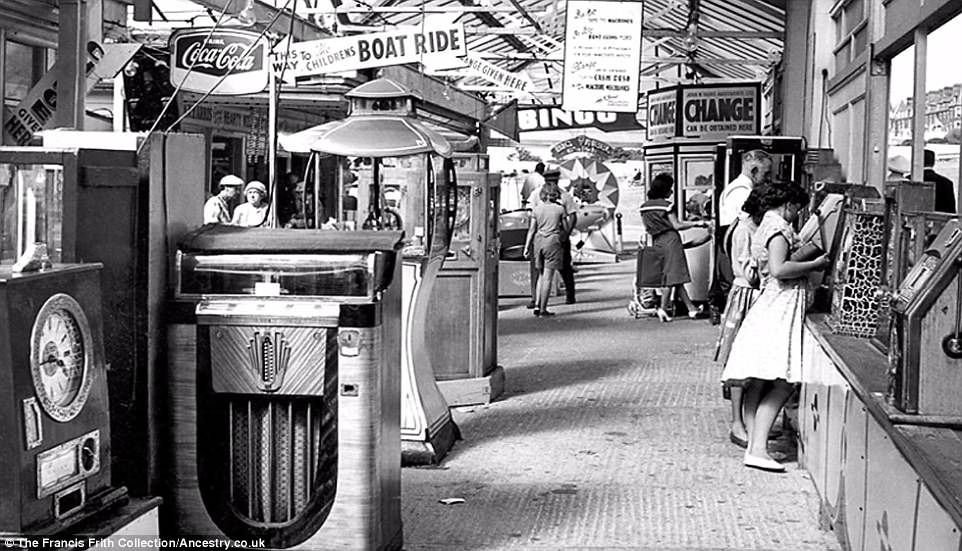
The Resurgence of Home Holidays
The concept of the “staycation”—taking holidays within the UK—has experienced a powerful resurgence, driven by a confluence of factors: the logistical complexities of post-Brexit international travel, the heightened cost of overseas trips, and a growing environmental consciousness (flight-shaming). This shift represents more than a temporary trend; it is a domestic turn that is forcing a re-evaluation of the cultural, economic, and social value of holidays taken on home soil.
The current challenge for the UK tourism industry is to transform this necessity into a durable, high-quality offering. This article explores the revitalized economic contribution of staycations, the cultural rediscovery of British destinations, and the infrastructure investment required to secure this domestic momentum.
II. Economic Vitality: Local Impact and Resilience
The most immediate benefit of the staycation trend is the powerful, localized economic injection it provides, particularly to coastal and rural areas.
1. Boosting Local and Regional Economies
Unlike international travel, where much of the money spent leaves the country, staycation spending circulates almost entirely within the UK economy. This spending provides crucial revenue for local, often independent businesses—pubs, B&Bs, small attractions, and hospitality services—that form the backbone of regional economies. This shift fosters economic resilience, helping to sustain jobs and community infrastructure outside of major urban centres.
2. Investment in Domestic Infrastructure
The high demand for domestic tourism is driving investment into the UK’s tourism infrastructure. This includes upgrading digital connectivity in rural destinations, improving road and rail links to coastal resorts, and financing the refurbishment of hotels and self-catering accommodation. This investment, spurred by consumer demand, creates long-term assets that benefit both tourists and local residents year-round.
III. Cultural and Environmental Reconnection
The staycation movement is encouraging a cultural appreciation for the UK’s own heritage, landscape, and distinct regional identities.
1. Rediscovering British Heritage
For many, holidaying at home has led to a rediscovery of Britain’s natural beauty, historic sites, and diverse regional cultures—from the wildness of the Scottish Highlands to the quaint traditions of the Cornish coast. This renewed focus provides a potent boost to museums, heritage trusts, and national parks, whose educational and conservation missions are supported directly by domestic visitor spending.
2. Lowering the Carbon Footprint
While not entirely carbon-neutral, choosing rail travel, driving, or public transport over international air travel significantly reduces the carbon footprint of leisure time. For the growing segment of consumers prioritizing climate action, the staycation offers a guilt-free holiday option, aligning leisure spending with personal environmental values and driving demand for businesses that offer sustainable travel solutions.
IV. Conclusion: Securing the Staycation Future
The Domestic Turn is a vital opportunity for the UK to professionalize and elevate its domestic tourism offer. To secure this momentum, the industry must focus on quality assurance, digital innovation (making booking and travel planning seamless), and sustained investment in year-round infrastructure.
The staycation is more than an economic stopgap; it is a chance to redefine British leisure, fostering economic resilience in the regions and encouraging a profound, sustainable reconnection with the country’s rich cultural and natural landscape.