

The political landscape is shifting rapidly in New York, where several Democratic representatives now face unexpectedly competitive primaries. Their relationship with Israel has emerged as a central issue for a growing segment of voters. Zohran Mamdani’s recent victory revealed an unexpected turn: pro-Israel positions are no longer guaranteed to secure electoral support. This new dynamic encourages numerous internal challengers to capitalize on changing political attitudes.
Rising criticism of Democratic incumbents supporting Israel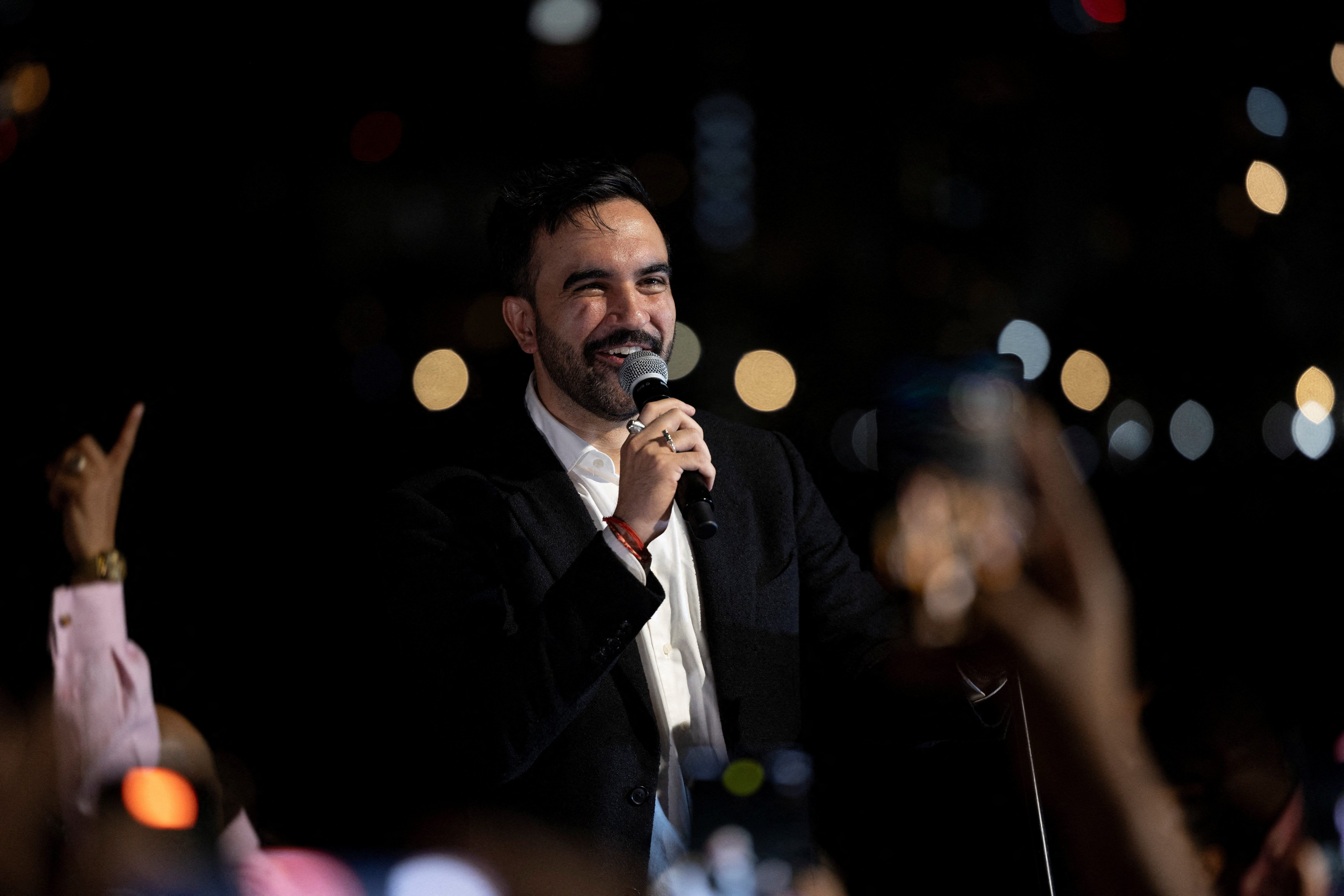
New York House Democrats challengers are capitalizing on a significant shift in public opinion, driven by intensifying debates surrounding Israel’s policies. Several well‑established Democratic incumbents known for supporting Israel now find themselves in vulnerable positions. Adriano Espaillat, for example, is facing a challenger active in protests against the Gaza war and outspoken about donations coming from pro‑Israel organizations. Similar scenarios unfold in other districts as challengers seek to mobilize younger, politically engaged voters increasingly attentive to global issues.
This wave of opposition draws its strength from messages centered on international justice, the protection of civilians, and criticism of a political stance perceived as overly favorable to the Israeli government. For these challengers, incumbents no longer represent the shifting priorities of their communities, especially in districts with growing Muslim or immigrant populations. The electoral landscape is therefore becoming more precarious for long‑time supporters of Israel.
Diversity of districts and contrasting views on Israel
The New York House Democrats challengers are competing in diverse districts where opinions on Israel differ widely. In areas of Manhattan, the Bronx, or Brooklyn, Jewish communities remain influential and often supportive of Israel. However, demographic changes in other neighborhoods have brought new voters more critical of Israeli policies and more receptive to progressive messages.
Zohran Mamdani’s recent win, even in districts with sizable Jewish populations, highlights this shift. Voters increasingly base their choices on broader concerns such as affordability, social justice, foreign policy, and institutional trust rather than solely on cultural identity. This diversity creates fertile political ground for challengers capable of presenting coherent and relatable visions grounded in local frustrations.
Mixed reactions from incumbents facing criticism
Incumbent Democrats targeted by New York House Democrats challengers respond in various ways. Some, like Daniel Goldman or Ritchie Torres, firmly defend their positions, reaffirming their support for Israel while acknowledging the controversies surrounding its government. Others try to soften their image by highlighting their commitment to social programs and local priorities.
However, challengers argue that these responses fall short. They accuse incumbents of relying too heavily on major donors, neglecting district needs, and supporting foreign policies disconnected from progressive values. The growing scrutiny of influential pro‑Israel fundraising networks intensifies this criticism, adding new pressure on incumbents.
Ideological transformation and strategic repositioning

The rise of New York House Democrats challengers also reflects an ideological evolution within the Democratic Party itself. Some candidates who previously expressed strong support for Israel have now shifted toward more critical positions, influenced by the humanitarian situation in Gaza. This shift aligns with generational changes, as younger voters tend to prioritize human rights and international accountability.
This transformation forces traditional representatives to reconsider their strategies. They must maintain support from their historical bases while adapting to new expectations. Meanwhile, challengers present themselves as voices of renewal, blending local concerns with strong stances on global issues. This mix is redefining electoral competition across New York.
Consequences for primaries and party balance
The momentum behind New York House Democrats challengers could significantly influence upcoming primaries. Once‑secure incumbents must now campaign aggressively to regain voter trust. Challengers benefit from strong grassroots networks, active organizing, and high visibility online. These internal battles could reshape the party’s national direction if a new generation of representatives more critical of Israel emerges.
Depending on primary outcomes, the Democratic Party may experience shifts in internal debates, legislative priorities, and approaches to international matters. The next elections will serve as a crucial test of how deeply this political reconfiguration runs.
The rise of New York House Democrats challengers reveals profound changes within New York’s Democratic electorate. Israel‑related positions, once secondary in local races, now play a decisive role. The primaries are shaping up to be more competitive than ever, pushing incumbents to defend their records against challengers symbolizing the party’s ideological transformation. This dynamic marks the beginning of a new political chapter with consequences reaching far beyond New York.