
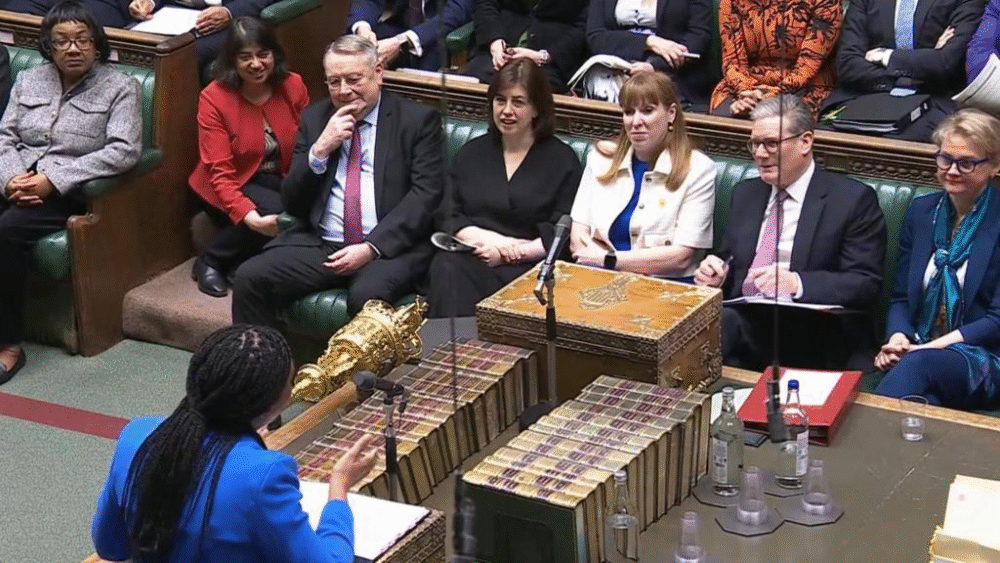
PMQs tension rose fast and gave the chamber a real shock. As Sir Keir Starmer walked out, Speaker Lindsay Hoyle sent a sharp warning. His voice was strong. His message was firm. The moment froze MPs for a few seconds. And because it happened so suddenly, it changed the mood of the room. Everyone felt the pressure grow, even if the scene lasted only a moment.
PMQs tension explodes after a sharp warning from the speaker
The weekly PMQs is often noisy, but this time, the energy felt very different. The room grew louder, then quieter, and then suddenly tense. As Sir Keir Starmer left the chamber, Speaker Lindsay Hoyle delivered a very strong message. He told the Labour leader, “Never again!” His tone was serious. It was not a joke. And because of that, everyone froze for a moment. Usually, PMQs brings arguments, jokes, and a bit of shouting. However, this scene felt more dramatic than usual.
The Speaker rarely speaks in such a direct and emotional way. Therefore, his words made MPs look around, wondering what would happen next. Some whispered. Some stayed silent. Others simply watched, almost afraid to move. This moment also showed how fragile the mood inside Parliament can be. One sentence can shift the entire energy. One sharp comment can change the atmosphere. And one reaction from the Speaker can stop the room instantly. That is why many people who were watching felt the tension rise quickly, like a spark turning into a flame.
How PMQs tension built up and surprised the chamber
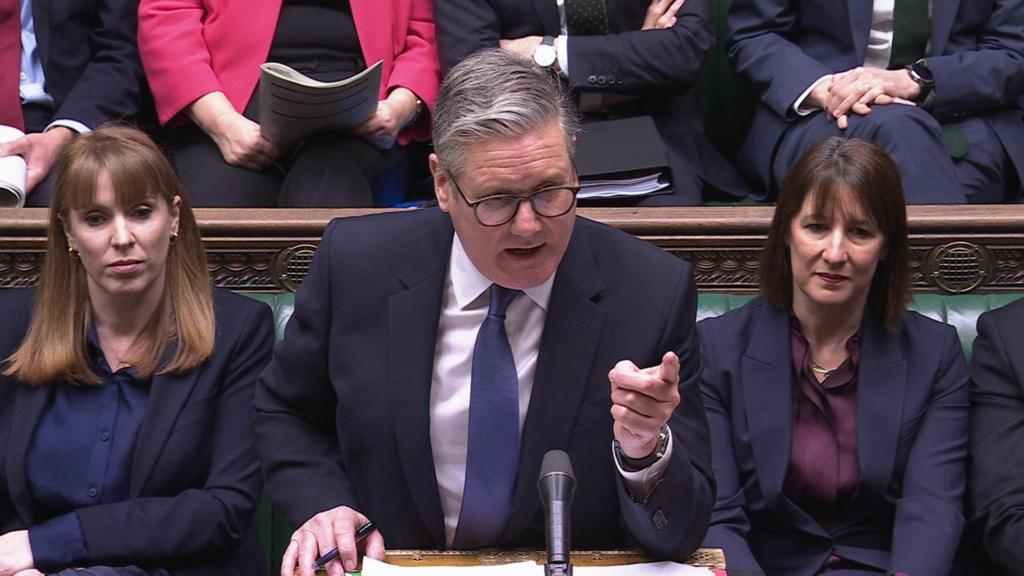
To understand the situation better, we need to look at what happened just before. During PMQs, questions were sharp. Answers were quick. And reactions were strong. Because of this, the discussion became more heated than usual. Sir Keir Starmer pressed the Prime Minister again and again. The Prime Minister answered with his own attacks. And MPs shouted from both sides. So the Speaker had to intervene many times to calm the room.
However, his requests were not always respected. Each new comment added more pressure, like stacking blocks one on top of another until they almost fall. Eventually, the Speaker reached his limit. As Starmer prepared to leave, the Speaker spoke loudly. His face showed frustration. His voice was firm. He was clearly upset by the way the exchanges had gone.
That is why he said, “I’m not having it. Forget it.” It was his way of saying that the behaviour inside the chamber had crossed a line. This outburst surprised many MPs. They are used to lively debates, but not to such a strong warning from the Speaker himself. And because it came at the very end of PMQs, it left a strong final impression, like a door being slammed after an argument.
A Change in mood: why the scene felt so intense
Right after the Speaker’s comment, people noticed a clear change. The room became quieter. Even those who usually enjoy shouting during PMQs remained still. And this silence showed just how intense the moment had been. When a room full of politicians stops speaking, you know something serious has happened. The Speaker’s words also had a symbolic power. They reminded everyone that PMQs must stay under control. It can be lively, but not chaotic. It can be tough, but not disrespectful. And because the Speaker protects the rules, his reaction mattered a lot.
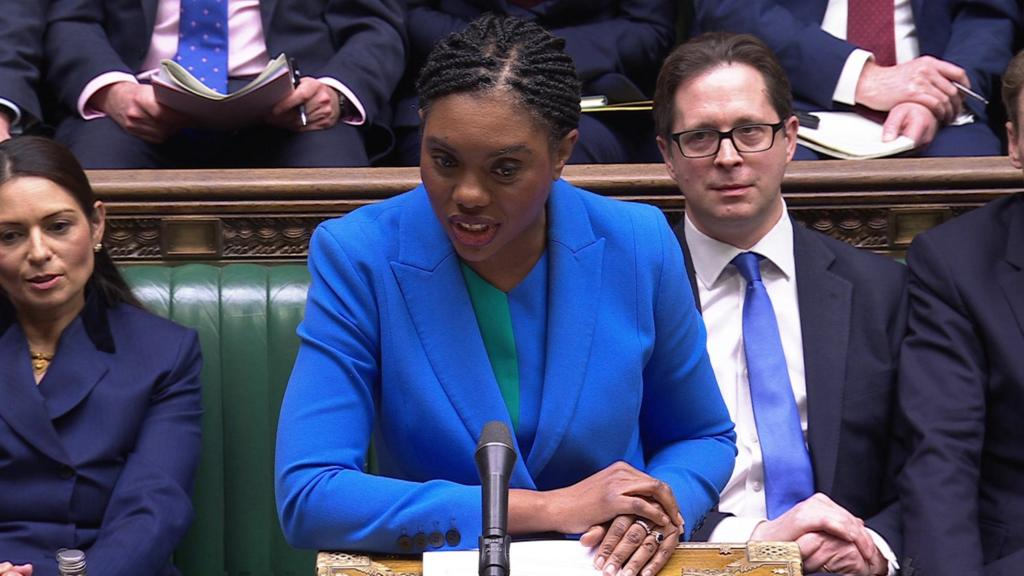
Some MPs later said they were surprised. Others felt the Speaker simply reached a natural point of frustration. And some saw it as a sign that tensions inside Parliament are rising again. This is not unusual. But when tensions rise too much, scenes like this can occur. Meanwhile, on the government bench, Kemi Badenoch looked confident. Some observers noted that she appeared more relaxed than Sir Keir Starmer, who looked tired and stressed after the clash. Her calm posture offered a sharp contrast to what had just happened. And because of that, she caught the attention of many people watching.
What this PMQs tension moment means for Westminster
This type of moment may seem small, but it carries meaning. It shows how tough political life can be. It also shows the pressure the Speaker faces. He must manage noise, arguments, and strong emotions. And he must keep everything fair. When he says “never again,” it is not only a warning. It is a reminder that Parliament must keep its dignity. Without order, debates become confusing. Without rules, people stop listening. And without respect, nothing important gets done.
In addition, this scene may affect future PMQs. Many MPs will probably think twice before interrupting too loudly. And party leaders may try to control their reactions more carefully. This is because nobody wants to trigger another such warning from the Speaker. Furthermore, this moment gave the public a rare look at the emotions inside Parliament. Usually, everything seems formal and controlled. But today, the human side of politics appeared clearly. Stress. Frustration. Pressure. Confidence. These feelings shaped the entire scene.
This PMQs tension showed how quickly emotions can rise in Parliament. The Speaker’s warning was sharp and unforgettable. It reminded MPs that debate needs order, respect and calm, even during heated moments. In just a few seconds, the chamber moved from loud arguments to complete silence, proving how fragile and intense political life can be.