
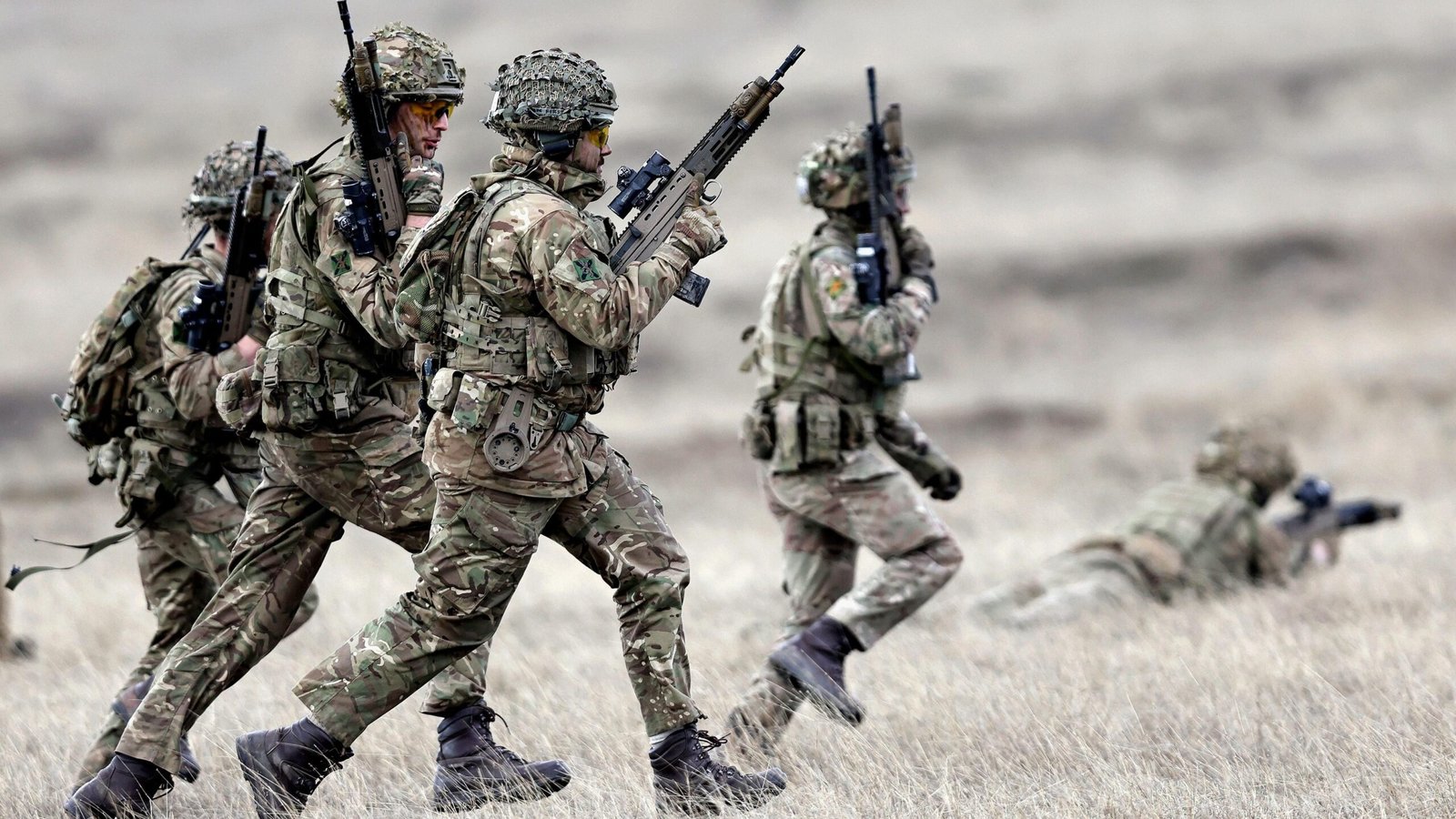
Russia’s invasion of Ukraine has re‑shaped Europe’s security landscape: facing a growing threat, many countries on the continent are rethinking their military service in Europe. The issue of military service whether voluntary or compulsory has returned, sparking intense debate on economic, political and moral grounds. In the face of security demands, European nations are weighing how best to recruit and structure their armed forces.
Why has Russia’s invasion revived the debate on military service in Europe
Since the war in Ukraine began, the Russian threat is seen as more immediate across Europe, placing huge pressure on governments to bolster their armed forces. After the Cold War, many countries significantly reduced their military size, relying mostly on professional soldiers. But the Russian aggression exposed the weaknesses of that strategy.
Recent incidents including drones near airports and acts of sabotage serve as reminders that the war in Ukraine could spill over into Europe. These tensions are pushing several governments to consider reinstating some form of military service, either aimed at building stronger volunteer armies or reviving conscription to create credible reserves. Moreover, some defence planners argue that rebuilding a serious military capability is not just about buying weapons, but about recruiting large numbers of trained personnel.
What are the European models facing conscription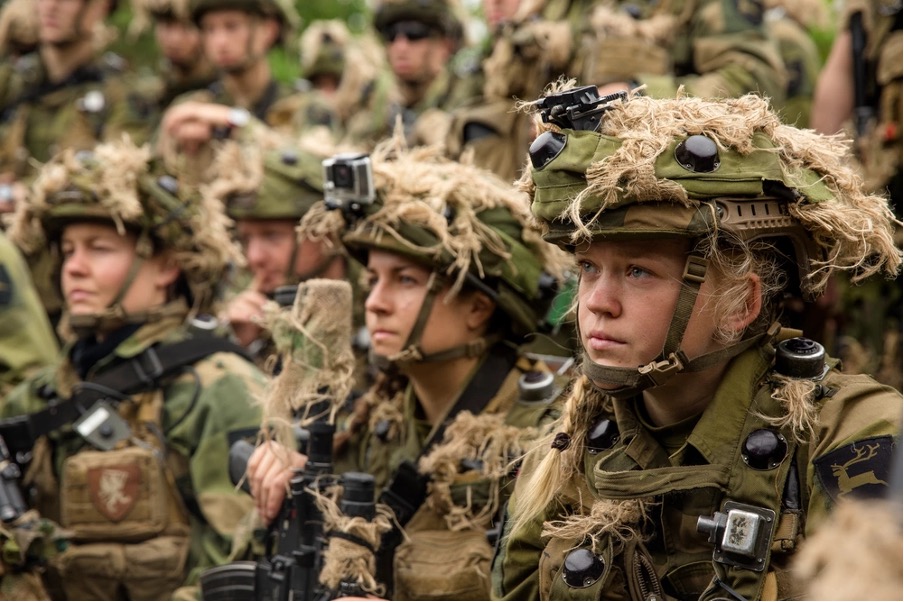
Countries differ considerably in their approach. In Germany, the government opted to rely on a volunteer army for now, though it kept the option of a draft open if recruitment fails.
Other countries chose firmer paths. Croatia, for example, decided to restore compulsory service, while Denmark extended its draft to include women and increased the service duration to meet its goals. Poland aims to double its army size through comprehensive training for all men, reflecting a sharp shift in its defence posture. Each model reflects national history, demographics and threat perceptions, especially in states bordering Russia.
What are the political and economic stakes of reinstating military service
Re‑establishing or expanding military service raises key political and economic questions. Politically, bringing back conscription stirs debate around individual freedoms, national duty and how societies share the burden of defence. Economically, the costs are substantial: state budgets must cover pay, training, housing and long‑term benefits for personnel.
A volunteer model demands competitive salaries, benefits and opportunities to attract recruits but that often means the less‑advantaged carry the burden. Structural reforms, including adapting labour markets and education systems to support military careers, are also essential. Time is another crucial factor: setting up a national service scheme is a long‑term investment in people, systems and societal support.
What are the obstacles to recruitment and retention of military personnel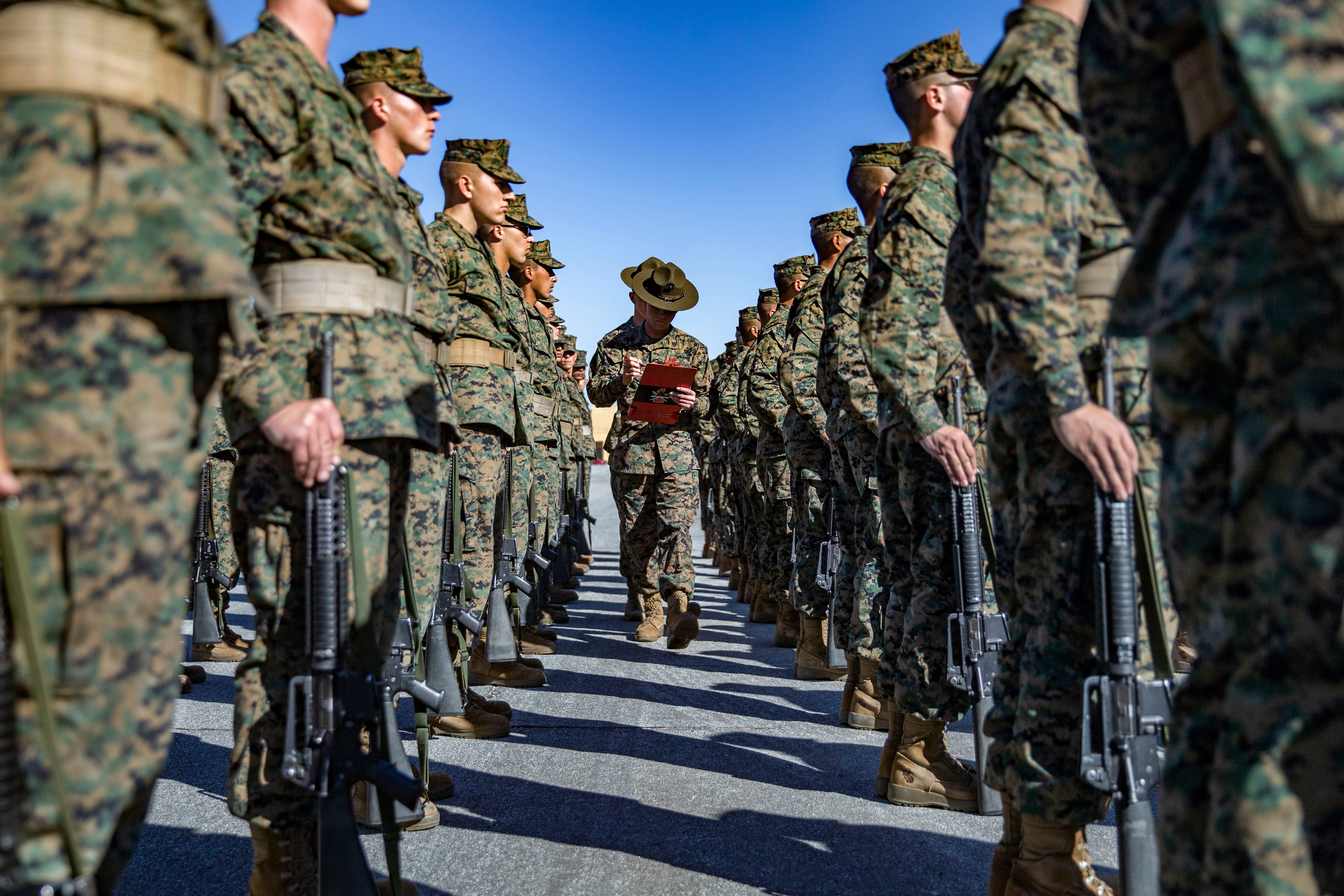
Despite the intent to bolster forces, many European armies struggle to meet their recruitment and retention targets. Demographic trends, ageing populations and often‑low public readiness to fight compound the problem. For example, some surveys show that fewer than one in three citizens in the European Union say they would be willing to fight for their country in a war.
Operational challenges also mount: the cost of training, sustaining reserves and equipment is high, while internal political debate divides resources between defence and social spending. These factors combine to make recruitment and retention key strategy issues for Europe’s defence planners.
What incentive strategies are being used to make military service attractive
To boost numbers, states have introduced a range of incentives. Some countries offer higher pay, career advancement, free education, or preferential hiring in public institutions for those who serve. Others use lotteries, bonuses, or extended service durations to build stronger reserves.
By making military service more competitive and inclusive (for example, by expanding to women) many nations hope to create a broader base of willing participants. Still, the success of these strategies depends on long‑term funding, cultural acceptance and alignment with national values.
What are the future scenarios for Europe
Looking ahead, several trends can shape the future of military service in Europe:
– Mixed models combining strong volunteer forces with optional conscription backup.
– Greater coordination at the EU or NATO‑level to harmonise reserve systems and recruitment strategies.
– Focus on highly trained reserves rather than large standing armies.
– Gradual implementation of service programmes to build public support.
– Deep structural reforms in training, doctrine, logistics and deployment to match modern threats and technologies.
Russia’s invasion of Ukraine has profoundly unsettled Europe’s security posture, forcing states to rethink how they raise and maintain armed forces. The debate over military service whether voluntary or conscripted is now front and centre, driven by recruitment, legitimacy and budgetary pressures. Across Europe, different models and incentive schemes are emerging, anchored in strategic necessity and political will. The outcome will shape not only defence capabilities but the very role of citizens in national security and the future of the continent’s military posture.