
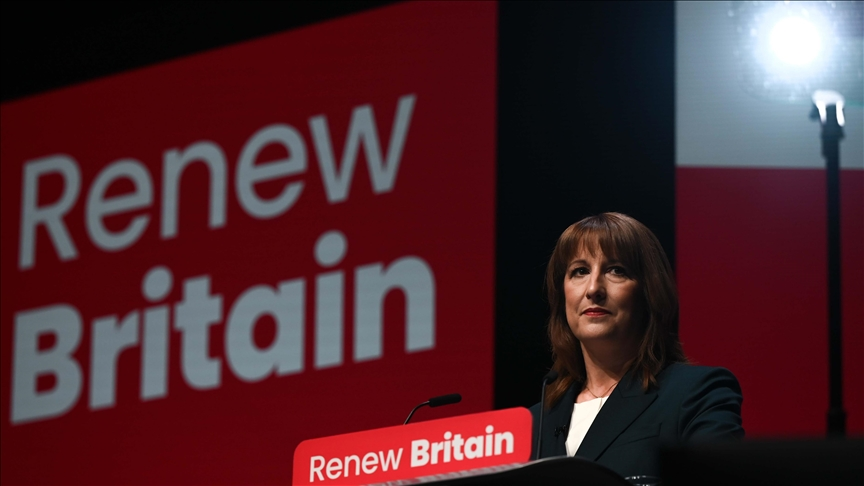
Rachel Reeves’s abrupt reversal on plans to raise income tax has unsettled the UK political landscape. Having previously prepared to the burden tax rise, she abandoned the proposal prompting frustration among voters and alarm in financial markets yet now finds herself forced to explore alternative fiscal measures to plug a £20–30 billion gap.
Voters react negatively to the proposed tax rise
Reeves’s initial signal that income tax could be increased, followed by her sudden change of course, has caused widespread anger among voters. During a heated exchange on BBC’s Question Time, politicians clashed sharply: some argued that higher taxes are essential to shore up public services, while others, including MP Danny Kruger, insisted that weak productivity proves tax hikes are not the solution.
Her final decision to drop the plan, just ahead of the 26 November Budget, is viewed as an act of caution. Concerned about alienating Labour MPs and losing public trust, Reeves ultimately abandoned the tax-rise proposal. The U-turn highlights the gap between campaign promises and economic realities, further damaging Labour’s credibility among an already sceptical audience.
Market impact: Reeves’s Reversal sends the pound lower and worries investors
Reeves’s decision not to raise taxes triggered a chain reaction across financial markets. Sterling came under pressure, falling by around 0.5% to 1.313 USD. The drop reflects investor hesitation: many expected higher revenues without fuelling inflation, but now see the government’s fiscal consolidation efforts as less convincing.
According to MUFG economist Lee Hardman, the market reaction “shows that investors are questioning the government’s fiscal resolve” without tax increases. Kathleen Brooks, research director at XTB, notes that the U-turn widens an already troubling credibility gap: markets now fear billions in unfunded commitments, particularly given the estimated £30 billion deficit. The impact goes beyond currency markets. Yields on government bonds (Gilts) have risen, signalling investor concern about the trajectory of public finances.
Alternatives after the abandoned tax hike

With the option of raising taxes now off the table, Reeves is turning to other ways of generating £20–30 billion to stabilise the public finances. Several avenues are currently under review.
Freezing income tax thresholds until 2030. The Chancellor may extend the freeze on income tax bands for an additional two years, until 2030 a move that could bring in around £8 billion a year. This “fiscal drag” strategy automatically pushes more taxpayers into higher bands without raising headline tax rates.
Reducing pension tax relief (Salary Sacrifice). Another option under consideration is tightening salary-sacrifice schemes widely used to fund pensions. The government may reduce or remove existing advantages, allowing greater collection of National Insurance contributions. Estimates suggest this could raise around £4 billion a year, though it risks discouraging workers from saving for retirement.
Higher taxes on large properties (Double Council Tax). Reeves may also revive a surcharge on high-value properties, effectively doubling council tax for the most expensive homes. Advocates argue this helps correct inequalities in a system still based on outdated valuations. However, the proposal is expected to face strong criticism: several newspapers and MPs are likely to highlight “asset-rich but income-poor” homeowners, pressuring Reeves to justify the reform robustly.
By stepping back from tax rise, Chancellor Rachel Reeves aims to avoid an electoral backlash yet raises doubts about her ability to fund essential public services. The indecision risks eroding confidence among both voters and financial markets in the government’s fiscal direction.
[…] the period preceding the Budget presentation, a phase marked by intense speculation about potential fiscal measures to be […]