
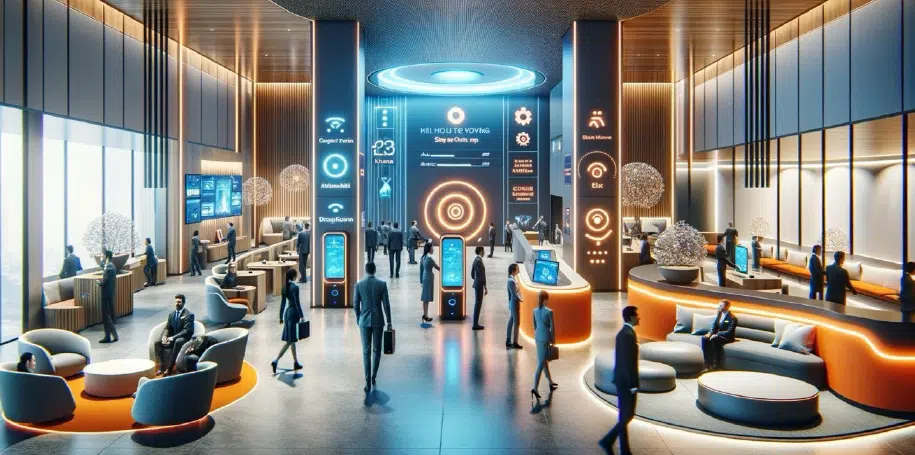
The Evolution of the Guest Experience
For generations, British hospitality has been defined by its unwavering commitment to personal service, tradition, and a quiet sense of elegance—a truly understated luxury. However, in the 21st century, the guest expectation has changed: travellers now demand the seamless convenience and personalization of digital technology without sacrificing the human element and physical comfort of a luxury hotel.
The future of the British hospitality sector is the Phygital Stay: a delicate and strategic blend of physical and digital services. This movement focuses on using technology not to replace human interaction, but to remove friction, anticipate needs, and ultimately free up staff to deliver moments of genuine, high-touch personal service.
II. Digital Innovation: The Art of Silent Utility
The success of the phygital approach in luxury is its ability to make technology disappear into the background—achieving “silent utility.” The goal is not to impress guests with gadgets, but to enhance their comfort and control with minimal effort.
1. Frictionless Arrival and Departure
-
Mobile Check-In/Key: Guests can complete pre-arrival registration and receive a mobile room key before ever approaching the front desk. This eliminates queues and allows the human interaction (greeting) to be about welcome, not paperwork.
-
In-Room Control Systems: Voice-activated or tablet-controlled systems for lighting, temperature, curtains, and media are integrated discreetly. The tech is intuitive and blends into the room’s design, preserving the sense of sanctuary and elegance.
2. AI-Driven Personalization (The Invisible Concierge)
Luxury hotels are increasingly leveraging Artificial Intelligence (AI) and robust Customer Relationship Management (CRM) systems. This is where the digital side truly enhances the luxury:
-
Anticipatory Service: Data gathered from past stays (preferred pillow firmness, time of coffee service, favourite type of wine) is used to personalize the current experience before the guest asks. The technology anticipates the need, allowing staff to deliver a personalized touch that feels like magic.
-
Seamless Communication: Guests can use their preferred messaging app (WhatsApp, hotel app) to communicate with the concierge for restaurant bookings or requests, ensuring speed and convenience without a cumbersome phone call.
III. Understated Luxury: Protecting the Human Touch
The British tradition of high-quality service remains the core differentiator. Digital tools are only valuable if they enable, rather than impede, the human connection.
1. Elevating Staff Roles
By automating transactional tasks (check-in, basic inquiries), phygital strategies free up staff time. Front-of-house personnel can shift from being administrators to Experience Curators. They can spend more time welcoming new guests, engaging in meaningful conversation, solving complex requests, or sharing local knowledge—the very elements that define genuine luxury.
2. Digital Storytelling and Heritage
Technology is also used to amplify the hotel’s heritage and sense of place. Immersive websites, virtual tours, and in-app content allow the brand to tell its story before, during, and after the physical stay. This digital layering enriches the guest’s appreciation of the unique history, architecture, or regional identity of the British property.
IV. Conclusion: The Balanced Blend
The future of British hospitality is neither purely digital nor stubbornly traditional; it is strategically phygital. By integrating sleek digital innovation with the warmth and discernment of human-centred service, British luxury hotels can create an experience that is effortlessly convenient and deeply personal.
This is the next level of understated luxury: technology that works so smoothly it is barely noticed, allowing the guest’s focus to remain entirely on their comfort, the environment, and the human connections that make a stay truly memorable.