
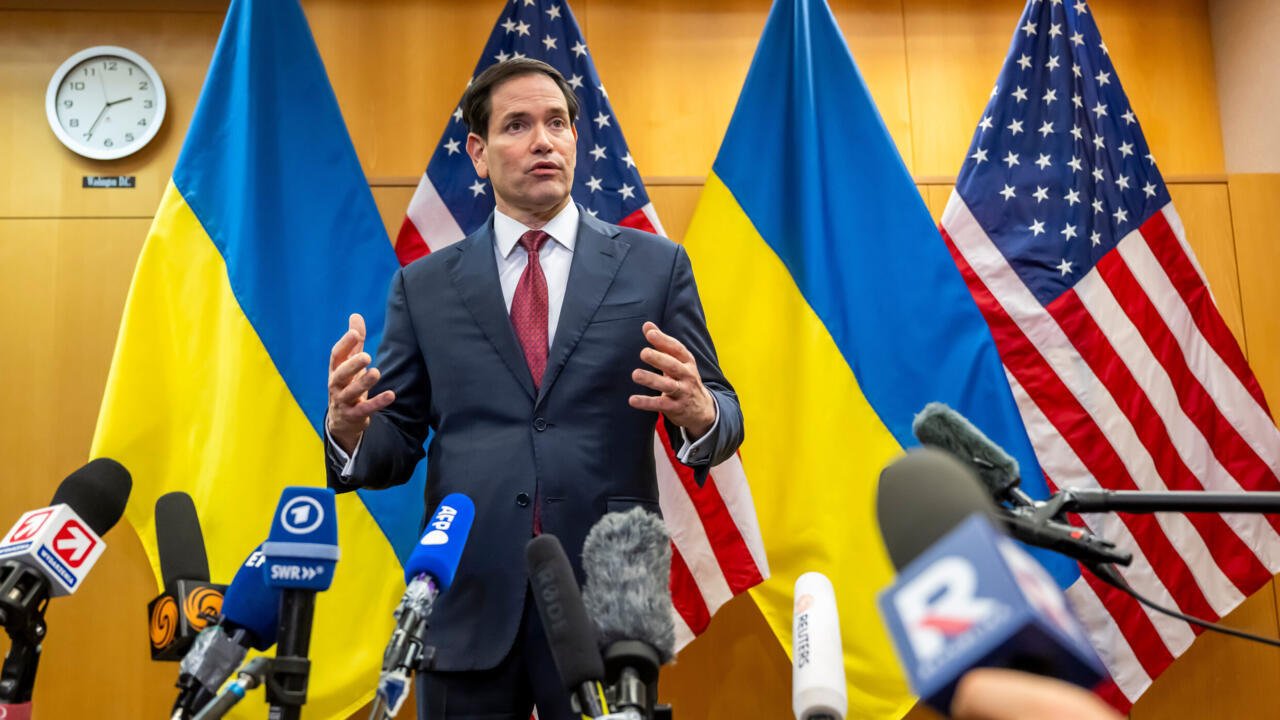
The United States is intensifying diplomatic efforts to revive the Ukraine peace plan 2025. After strategic discussions in Geneva with Ukrainian officials, U.S. Army Secretary Dan Driscoll led a delegation to Abu Dhabi for crucial talks with Russian envoys. These discussions aim to refine and present a revised peace framework capable of securing agreement from all parties. With Ukraine signaling openness to the proposal and Russia expressing conditional interest, the negotiations mark a significant moment in the search for long-term European stability.
Key Elements of the Ukraine Peace Plan 2025
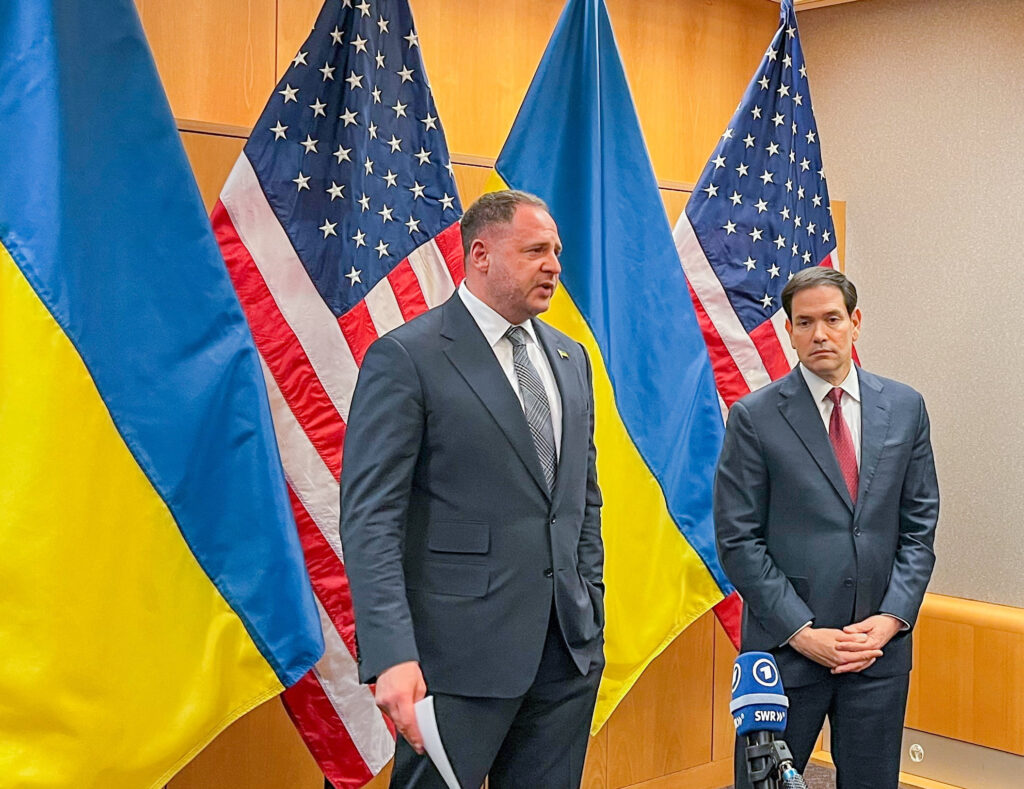
The Ukraine peace plan 2025 underwent substantial revisions after detailed negotiations in Geneva. The initial 28‑point document was replaced with a more concise version addressing Ukraine’s primary concerns around sovereignty, territorial integrity, and national defense. The revised plan highlights mechanisms for international monitoring, phased demilitarization in specific regions, and a roadmap for the reintegration of contested territories. It also identifies diplomatic channels for future discussions on NATO involvement and long-term economic recovery. These changes aim to create a more realistic foundation for negotiation while preserving Ukraine’s political independence and ensuring that no party feels pressured into accepting imbalanced terms.
Security Guarantees and International Support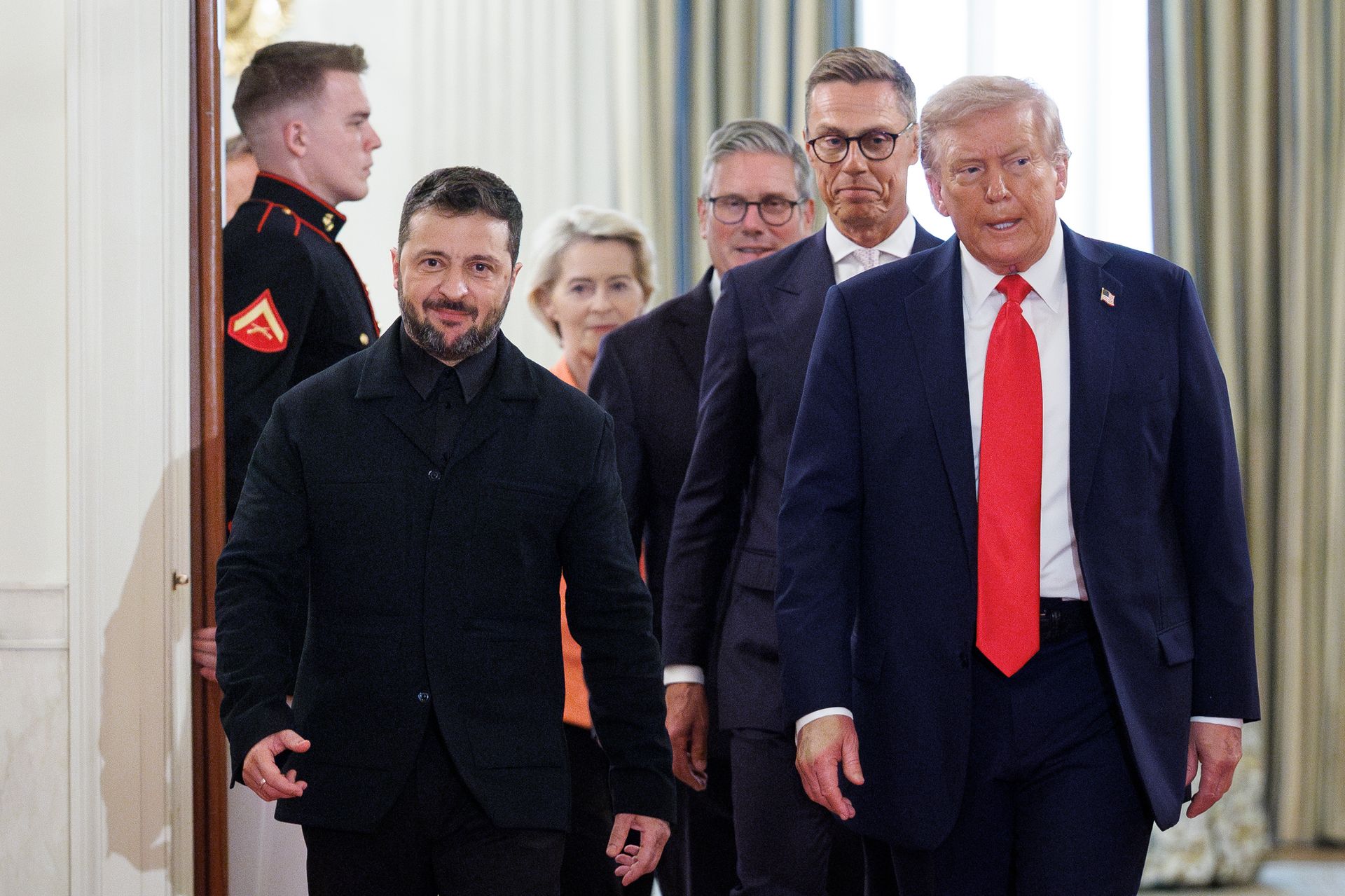
Security guarantees form the backbone of the Ukraine peace plan 2025, and they are essential for creating a stable post-conflict environment. The updated plan proposes a multinational security mechanism supported by European partners, enabling joint monitoring of borders and critical infrastructure. The framework includes commitments for long-term defense cooperation, intelligence sharing, and emergency response collaboration. Several European countries have already expressed their willingness to deploy civilian and military observers to safeguard the implementation of any final agreement. This level of coordinated support aims to prevent future escalations, reduce external interference, and reassure Ukraine that it will not face isolation during reconstruction or future crises.
Diverging Reactions from Kyiv Moscow and Global Allies

Reactions to the Ukraine peace plan 2025 vary significantly among the involved parties. Ukraine has expressed cautious approval, emphasizing that the revised framework reflects several of its red lines, especially those concerning sovereignty and territorial control. Kyiv insists that any agreement must include binding commitments from international partners. Russia has responded more cautiously, stressing that the final text must align with principles discussed in past diplomatic meetings. European allies, meanwhile, promote a balanced and enforceable agreement, warning against proposals that could undermine long-term regional security. This combination of cautious optimism and persistent skepticism illustrates the complexity of achieving consensus in a conflict with deep historical and geopolitical roots.
Challenges Ahead and Possible Futures for the Peace Process
Despite meaningful progress, the Ukraine peace plan 2025 faces numerous challenges that could slow or derail the process altogether. Among the most significant obstacles is Russia’s insistence on protecting its strategic interests, particularly regarding territorial claims and military limitations on Ukraine. At the same time, Ukraine and European partners demand solid guarantees that no agreement will compromise Ukrainian independence. The continuation of intermittent clashes also complicates the negotiation environment by eroding trust. Looking forward, the peace process could lead to a temporary ceasefire, a long-lasting settlement backed by international security forces, or a breakdown that intensifies the conflict. Each scenario carries profound consequences for regional and global stability.
The Ukraine peace plan 2025 stands as a critical diplomatic effort aimed at ending years of conflict and reshaping security in Europe. With negotiations involving Washington, Kyiv, and Moscow gaining momentum, the revised proposal represents a potential turning point. Success will depend on whether all sides can reach a balanced consensus that ensures Ukraine’s sovereignty, addresses Russia’s concerns, and secures long-term international support. The coming months will determine if this renewed push for peace can transform regional tensions into a foundation for lasting stability.