
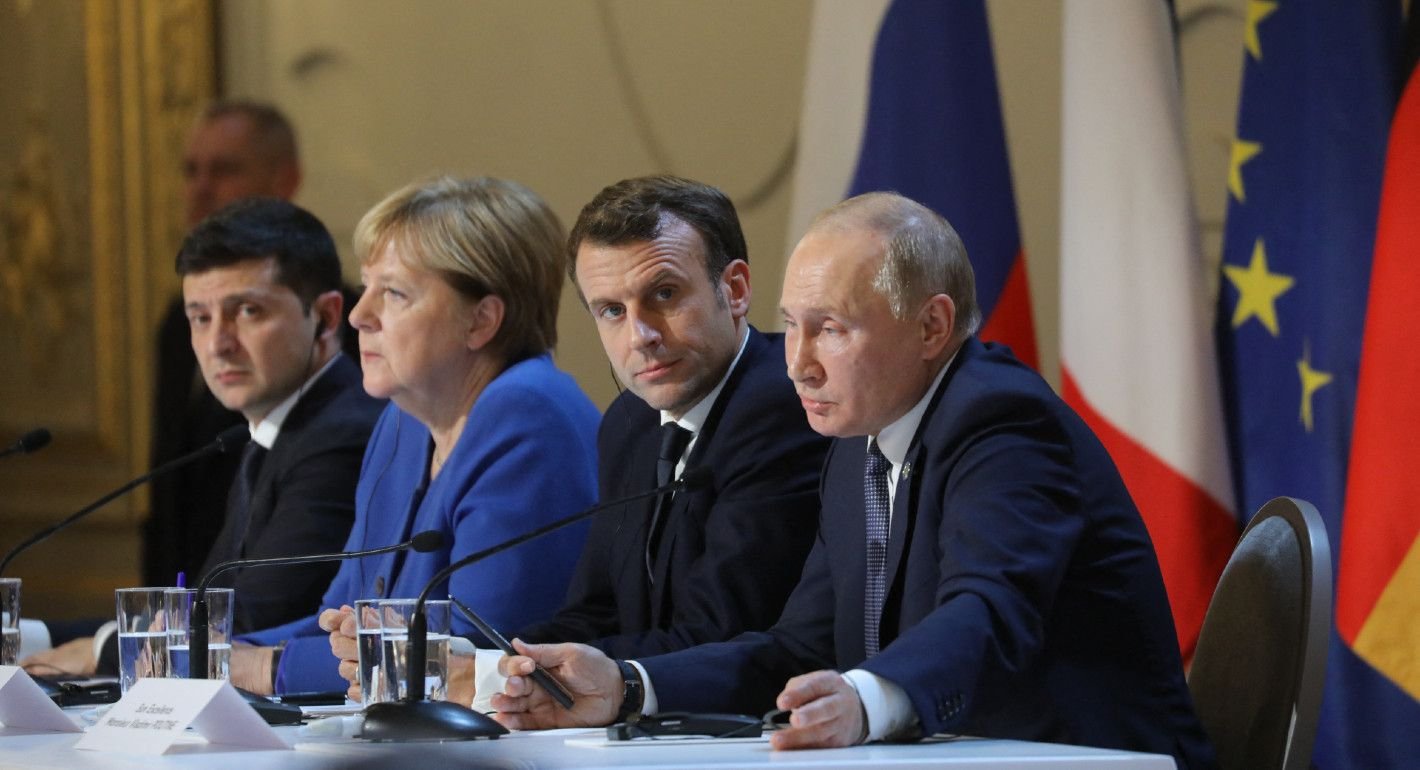
Ukraine peace talks have returned to the forefront of global diplomacy as Moscow increases its demands and Washington seeks to revive a fragile mediation effort. Behind public statements, shifting power dynamics are redefining the prospects for peace. While the Kremlin conditions any agreement on acceptance of its territorial claims, Kyiv’s allies search for ways to prevent a settlement imposed under pressure. In this tense environment, Europe emerges as the key actor capable of stopping an outcome that would undermine Ukraine’s sovereignty.
The Kremlin’s Strategy in the Ukraine peace talks
The Ukraine peace talks are viewed by Moscow primarily as a tool of leverage rather than an opportunity for genuine diplomacy. For Russia, maintaining prolonged hostilities ensures strategic influence. As long as the fighting continues, the Kremlin retains pressure that limits international demands. Conversely, a ceasefire would deprive Moscow of this advantage, a reality openly acknowledged by Russian commentators.
This approach explains why the Russian president remains unwilling to consider negotiations on equal terms. Moscow frequently questions the legitimacy of Ukraine’s government to weaken its diplomatic standing. Moreover, Russian conditions rest on substantial territorial concessions that Kyiv deems unacceptable. Through this strategy, the Kremlin seeks not a durable peace but the reintegration of Ukraine into its sphere of influence. This vision drastically reduces the possibilities for constructive negotiations.
The United States’ Ambiguous Role in the Ukraine peace talks
The United States holds a central role in the Ukraine peace talks, yet its position is marked by contradictions. While Washington publicly promotes a rapid agreement, some proposals discussed in the political arena have appeared too aligned with Russian expectations. Such initiatives raise concerns about the possibility of a settlement that prioritizes speed over justice.
Complicating matters further, political instability in Kyiv, including high‑profile resignations and investigations, weakens Ukraine at a critical moment. This vulnerability risks encouraging external pressure for a quick but unfavorable compromise. In this context, diplomatic ambitions can be exploited by Moscow to secure outcomes unattainable on the battlefield.
Why Europe Is Becoming a Decisive Actor in the Ukraine peace talks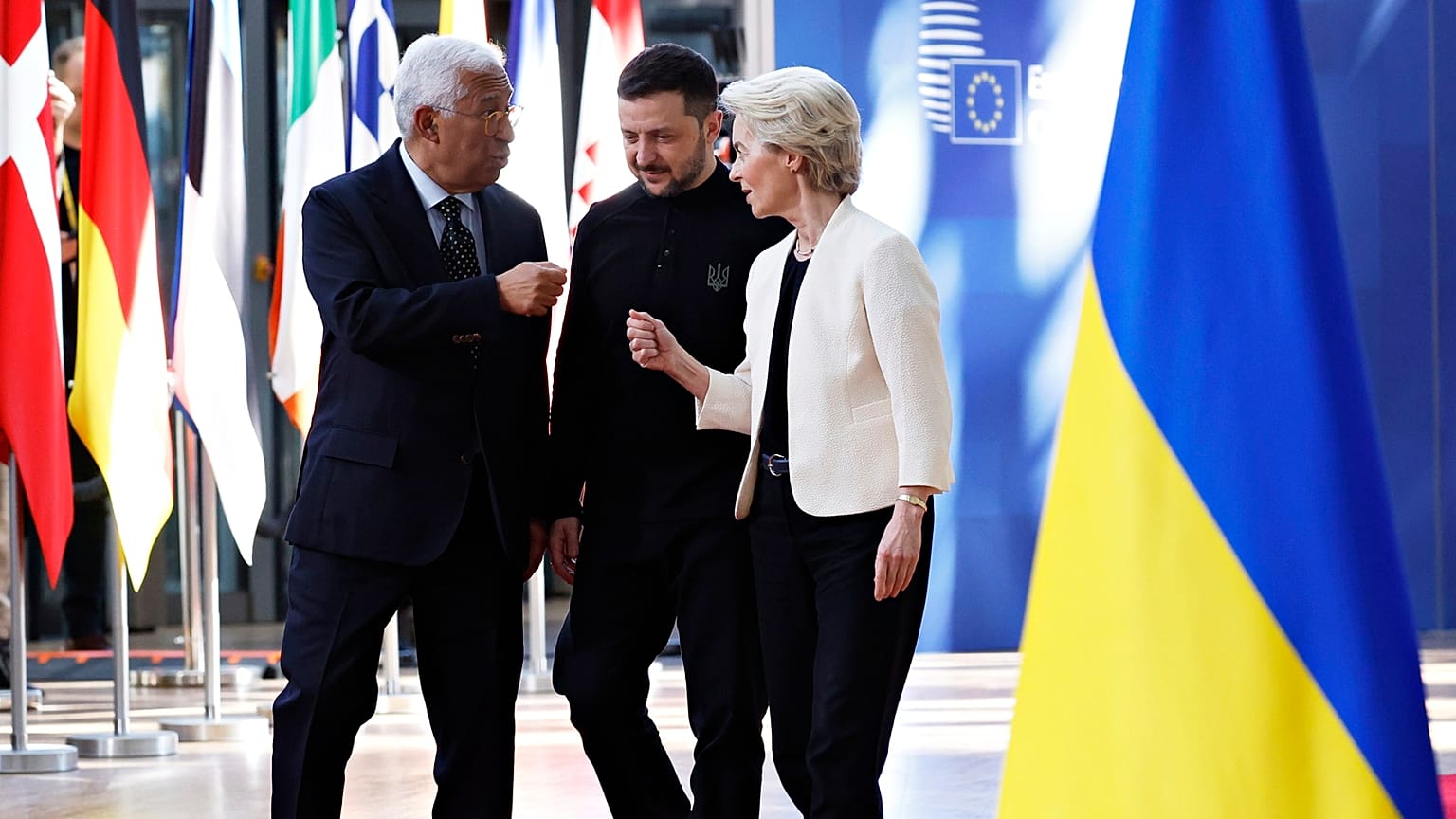
The Ukraine peace talks cannot lead to a balanced solution without strong European engagement. Since the beginning of the conflict, the European Union has played a vital role in providing military, financial, and political support to Kyiv. Faced with the risk of a pressured settlement, Europe must now ensure long‑term assistance. This stability is essential to protect Ukraine from an unfavorable outcome shaped by external political dynamics.
Russian military advances remain slow, costly, and limited. With consistent European backing, Ukraine can maintain the resilience needed to negotiate from a position of strength. Sending a clear message to both Moscow and Washington, Europe can signal that no forced settlement will be tolerated. A firm stance is crucial to uphold Ukraine’s sovereignty and safeguard Europe’s long‑term security.
Financial and Political Challenges in Supporting the Ukraine peace talks
Financing support for Ukraine is becoming a decisive factor in the Ukraine peace talks. Several mechanisms are being considered in Europe, including the use of frozen Russian assets and joint borrowing instruments. After months of debate, these decisions must be finalized quickly to reinforce credibility. A united financial strategy would help anticipate Kyiv’s military and economic needs over the medium term.
Supporting Ukraine financially is not merely a temporary aid measure but a strategic investment in continental stability. When Kyiv has sufficient resources, Moscow loses the ability to pressure negotiations by exploiting Ukrainian fatigue. A forced peace could embolden other authoritarian regimes and destabilize the global order. Strengthening Ukraine’s resilience thus serves both national and European security interests.
The Ukraine peace talks are entering a decisive phase shaped by external pressures, Russian ambitions, and political vulnerabilities. To prevent a settlement that compromises Ukraine’s sovereignty and threatens Europe’s stability, the European response must be firm and sustained. By combining military support, financial commitment, and diplomatic clarity, Europe can influence the balance of power and promote a just peace. The future of the negotiations rests on the ability to defend the principles of security and territorial integrity that underpin lasting stability.