
For months now, energy prices on international markets have been steadily falling, raising hopes that household bills would soon follow the same trend. Yet this easing has not appeared on consumer invoices. Many households are instead seeing prices stabilise — or even slightly rise — leading to frustration and confusion at a time when purchasing power remains a central concern. Understanding this delay is essential to anticipating what comes next and to making sense of an increasingly complex energy sector.
Public authorities, regulators and market actors all insist that there is “no miracle solution” capable of rapidly lowering bills. The energy system relies on long-term mechanisms and contractual commitments that cannot be adjusted overnight. This article aims to clearly explain the deeper reasons behind this situation, highlight the challenges of the energy transition, and outline the steps consumers can already take to better manage their costs.
The paradox: wholesale prices are Falling, but energy bills are not

Wholesale gas and electricity prices have indeed dropped compared with their 2022 peaks. However, this does not automatically translate into lower household bills, because the final price depends on far more than the cost of raw energy. Supply contracts, regulated tariffs, taxes and network investments all weigh heavily, meaning that favourable movements on international markets often take several months or longer to reach consumer bills.
Household invoices are also based on a complex tariff structure that includes fixed and variable components, many of which are immune to market price changes. Taxes or the fixed part of transmission and distribution fees remain stable even when the energy component decreases. As a result, falling wholesale prices can be offset or cancelled out by increases in other cost components. In addition, many suppliers are still trying to restore their financial stability after years of intense volatility.
Finally, wholesale prices remain highly sensitive to global geopolitical developments. A regional tension, logistical bottleneck or sudden disruption such as the Nord Stream pipeline incident can rapidly push prices back up. This persistent uncertainty makes regulators reluctant to reduce regulated tariffs too quickly, as they want to avoid having to abruptly reverse course in the event of a new crisis. Consumers therefore face a situation in which positive signals do not immediately translate into a lighter bill.
Energy infrastructure: a massive weight on consumer bills
One major reason why bills remain high lies in the cost of energy infrastructure. Gas and electricity transport and distribution networks require heavy, ongoing investment to modernise, secure and adapt them to new uses. Much of this infrastructure was built decades ago and now faces new technical challenges, especially with the growing role of renewable energy. These upgrades come with substantial, long-term expenses that are fully passed on to consumers.
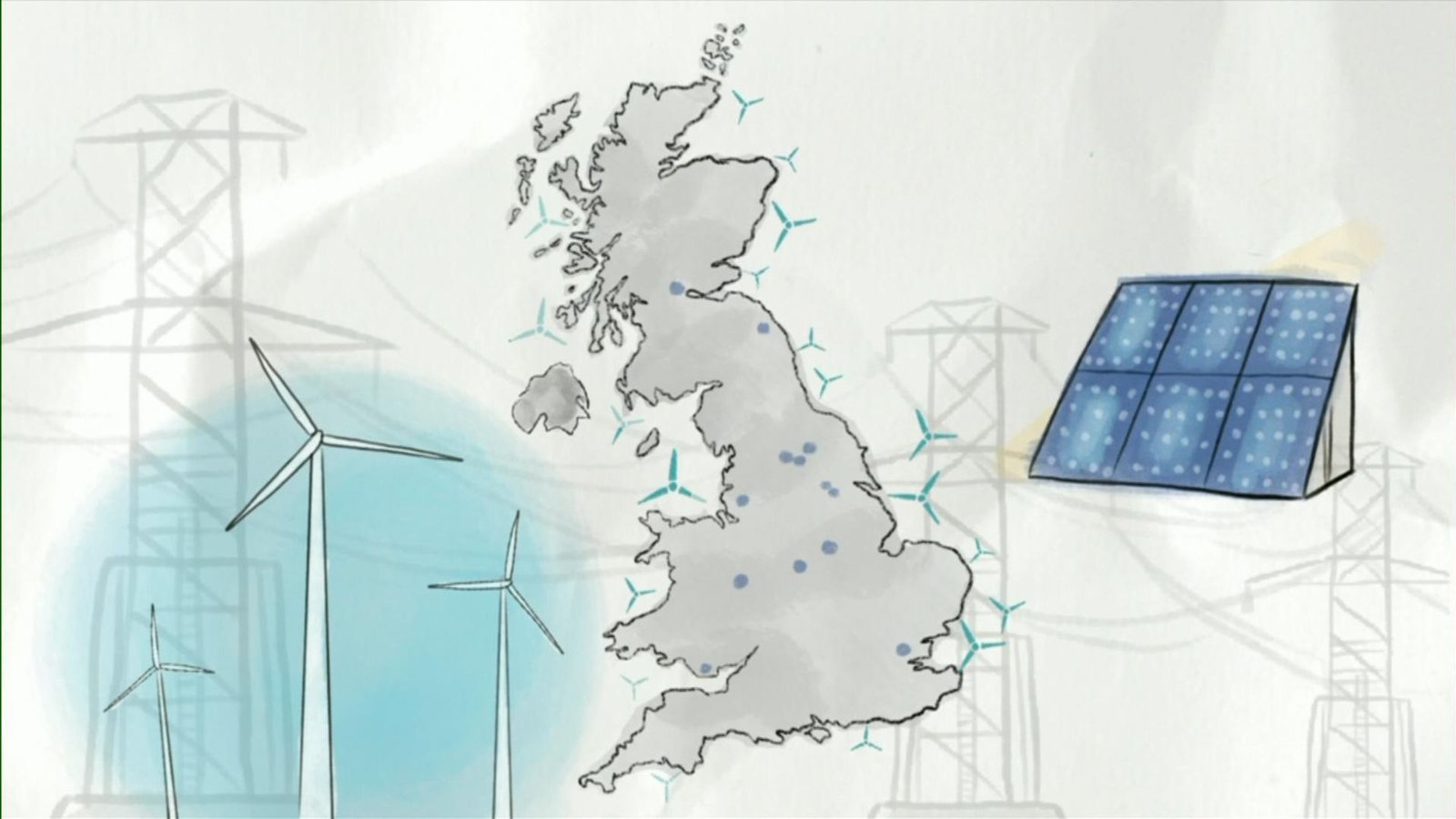
The energy transition further increases this need: new high-voltage lines, intelligent transformers, storage systems, grid connections for wind and solar farms, and widespread deployment of smart meters all require costly structural adjustments. The more diversified the energy mix becomes, the more flexible, resilient and sophisticated the network must be. These transformations are essential but expensive.
In addition, gas-fired and other backup power plants must be kept available to compensate for fluctuations in renewable output, especially during unfavourable weather conditions. Even though they operate less than before, their maintenance and readiness represent significant ongoing costs reflected in energy bills. Paradoxically, producing less energy can now cost more due to their strategic role in maintaining system stability.
Taxes, subsidies and the energy transition: invisible but crucial costs

Electricity and gas bills also include public charges that many consumers are unaware of. These contributions fund renewable energy development, social assistance programmes, energy-efficiency incentives, and national projects aimed at reducing carbon emissions. They play an essential role but represent a substantial share of monthly bills.
These charges are not tied to market fluctuations: even if gas prices fall, renewable subsidies and social support mechanisms must continue. These programmes are planned over several years with stable financing, rather than in reaction to market movements. This is why a drop in wholesale prices does not always produce a proportional decrease in household bills.
Capacity mechanisms payments made to backup plants to ensure they remain available also add costs. Although often unfamiliar to the public, they are essential to prevent blackouts during peak demand. Until the energy transition is fully complete, these additional costs will continue to appear on consumer invoices.
Geopolitics and long-term supply contracts
Recent geopolitical tensions have profoundly disrupted the energy market, driving prices to extreme levels. During the most acute phase of the crisis, suppliers were forced to purchase large quantities of energy at very high prices, often through long-term contracts whose terms remain in effect today. As prices fall, suppliers must still honour these commitments, slowing their ability to reduce consumer bills.
International markets remain unpredictable: a political announcement, a logistical issue or a pipeline breakdown can trigger immediate price spikes. Regulators therefore prefer stability rather than rapid reductions that might need to be sharply reversed.
Many countries also rely heavily on imports from unstable regions, creating long-term vulnerabilities and additional costs for suppliers. This global uncertainty makes a quick return to low, stable energy bills unlikely.
What consumers can do while waiting for gradual price reductions

Although they cannot instantly reduce their bills in a challenging economic environment, consumers still have several options to manage their energy spending. Comparing supplier offers can reveal significant annual savings, and simple daily practices lowering heating by a few degrees, reducing hot water use, avoiding standby mode can meaningfully cut energy consumption.
Medium-term investments in home energy efficiency remain among the most effective ways to reduce long-term demand: improving insulation, upgrading windows, installing high-efficiency boilers or heat pumps, and considering solar panels all help decrease reliance on suppliers. Public support programmes can make these improvements more accessible.
Digital tools and smart meters also help consumers track and control their usage. Understanding where energy is consumed often leads to meaningful behavioural changes. The energy transition is not only about government action but also about personal choices and habits.
Even if international prices continue to fall, consumer bills cannot adjust immediately. Ageing infrastructure, the cost of the energy transition, taxes, long-term contracts and geopolitical tensions create structural costs that evolve slowly rather than in real time. Reductions will come but gradually as investments are amortised and the energy system becomes more stable and efficient.